Jakarta – Indonesia is opening up 118 prospective oil and gas working areas to investors as it seeks to accelerate upstream development and meet its production target of up to 1 million barrels of oil per day by 2029, the Ministry of Energy and Mineral Resources (ESDM) said on Thursday, May 21.
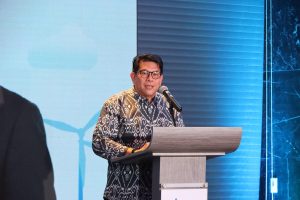
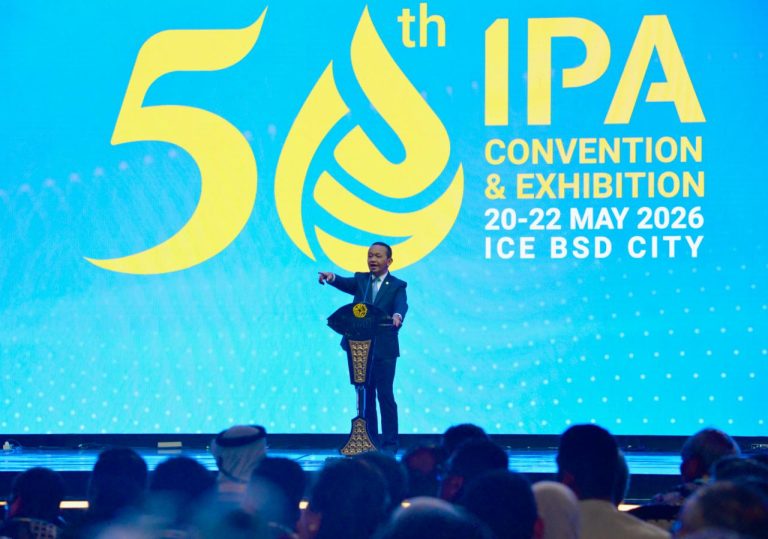
Energy and Mineral Resources Minister Bahlil Lahadalia announced the plan during the Indonesia Petroleum Association Convention and Exhibition (IPA Convex) 2026, positioning the move as part of a broader strategy to strengthen energy security amid rising domestic demand and global supply uncertainties.
“Anyone can participate. No need for backdoor negotiations. As long as you have the technology, the capital, and the commitment,” Bahlil said, emphasising an open and competitive bidding process for the oil and gas blocks.
As of May 2026, the ministry has identified 118 potential working areas, comprising 43 blocks under joint study, 50 in the data acquisition and offering stage, and 25 already awarded. Eight of the awarded blocks—Gagah, Bintuni, Karunia, Drawa, Jalu, Southwest Andaman, Barong, and Nawasena—were signed following the 2025 auction.
These eight blocks carry a combined investment commitment of USD57.95 million and signing bonuses totalling USD3.15 million, with estimated resources of 255 million barrels of oil and 13.79 trillion cubic feet of gas.
The government expects the investments to help discover new reserves, increase national output, and generate state revenue while creating jobs. It is also pushing for greater participation from regional businesses, provided they meet technical and financial requirements.
Bahlil called for closer coordination between the ministry, upstream regulator SKK Migas, and contractors to streamline project execution and avoid delays, noting that regulatory simplification and improved collaboration are key to attracting investment in what remains a high-risk sector.
The initiative is part of a broader push that includes reactivating idle wells and deploying enhanced oil recovery technologies to support Indonesia’s long-term energy self-sufficiency goals. (nsh)
Banner photo: Ministry of Energy and Mineral Resources