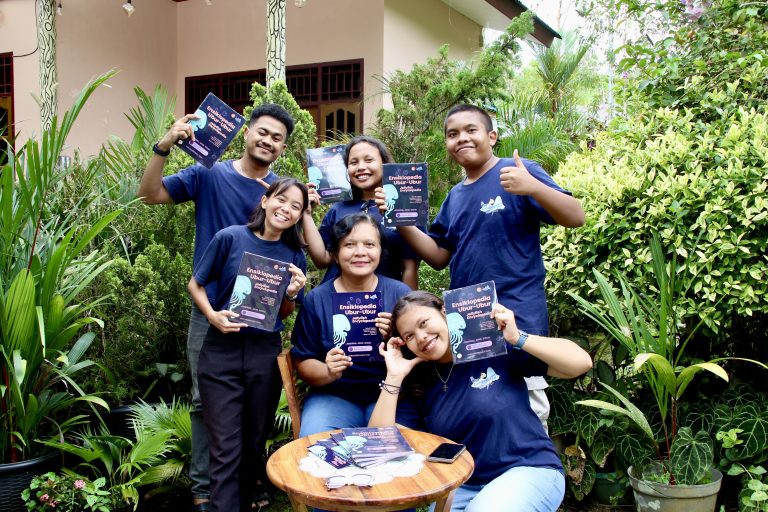
Jakarta – Two young environmental activists from Papua are calling for greater youth and Indigenous community participation in climate action, bringing concerns over deforestation, marine pollution and the loss of traditional ecological knowledge to a regional climate forum in Bangkok.
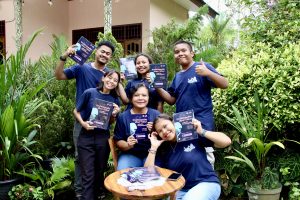
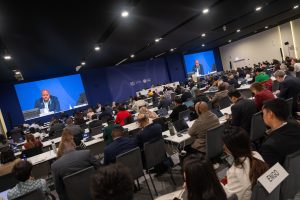
Irian Meyon Wilson, from Sentani, and Julia Rosemary Tapilatu, co-founder of Our ConservaSea in Manokwari, were among seven Indonesian youth delegates invited by YOUTHTOPIA to participate in the Youth Climate Action Lab during Bangkok Climate Action Week 2026 in early October.
The programme brought together more than 30 young people from across Southeast Asia to discuss climate challenges and develop recommendations and commitments on issues including climate education, circular economy, sustainable cities, community action and green entrepreneurship.
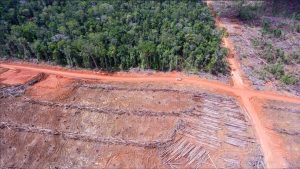
For Irian, who volunteers with the Papua-based Yayasan Pelayanan Papua Nenda (YAPPENDA), deforestation is a deeply personal issue. He has witnessed forests around Sentani being cleared for plantations and mining, leaving once-vibrant ecosystems increasingly silent.
He also links forest degradation to growing risks for local communities, including floods and landslides. He cited the devastating 2019 flash floods in Sentani, which many people associate with environmental damage on the surrounding mountain slopes.
Irian is involved in mangrove planting and collecting seeds from healthy parent trees to ensure restoration efforts use locally appropriate species.
He also warns that environmental destruction threatens Indigenous knowledge passed down through generations.
“When an elder dies, a library disappears with them,” he said in a statement on November 19, referring to the traditional knowledge of local communities on managing and protecting nature.
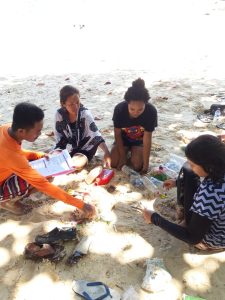
Julia, meanwhile, has focused on marine pollution and coastal conservation. She co-founded Our ConservaSea with her sibling in 2020, initially organising beach clean-ups in Manokwari.
However, she said clean-up activities alone cannot address the underlying causes of pollution, as waste collected from beaches can quickly return unless communities tackle its sources and change their waste-management practices.
Her organisation has therefore expanded its work to investigate the types of waste found along the coast and identify where it originates.
Julia also emphasised that coastal communities should be active participants in conservation initiatives rather than simply recipients of environmental education.
Both activists highlighted sasi, a traditional customary practice involving temporary restrictions on harvesting natural resources, as evidence that Indigenous communities have long-established systems for managing ecosystems.
Irian also raised concerns about the gap between formal land ownership documents and customary recognition, arguing that this can leave Indigenous communities vulnerable when companies and outside institutions make decisions about their territories.
“Who has the right to decide what happens to the forests? Who grants the permits, who benefits, and who bears the consequences?” he asked.
Julia similarly called for young Papuans to have a greater role in decisions affecting their environment and communities.
“I don’t want us to be mere spectators when Papua’s future is being discussed. We must be involved in determining what that future looks like, how our natural resources are managed and what we want to leave for the next generation,” she said.
Karina Suryawinata, YOUTHTOPIA’s chief of strategic implementation and partnerships, said climate discussions must recognise the people and communities directly affected by environmental challenges.
“We often talk about the climate crisis through numbers, emissions targets and global policies. All of these are important, but we must also remember that behind every environmental issue are people and communities whose lives are affected,” she said.
Following the Bangkok programme, YOUTHTOPIA continued working with the Indonesian delegates to reflect on how their experiences could translate into action at home.
For Irian, building a movement starts with encouraging people around him to get involved, one person at a time.
Julia echoed that determination, saying: “If not us, who else? Papua can do it too.” (nsh)
Banner photo: YOUTHTOPIA