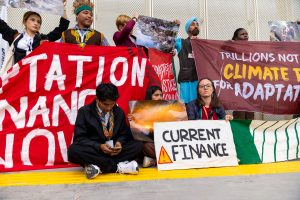
Inequality in access to finance remains a major issue in efforts to tackle climate change. Small island developing states (SIDS) receive only around 0.2 per cent of total global climate finance for adaptation needs, even though this group of countries faces high vulnerability to rising sea levels, storms and hydrometeorological disasters.
Chris Bowen, President of the COP31 Negotiations and Australia’s Minister for Climate Change and Energy, said that the issue of climate finance lies not solely in the availability of funds, but also in the ability of vulnerable countries to access them.
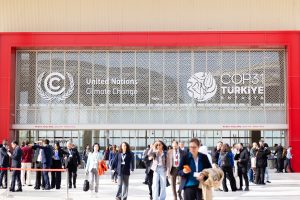
“Climate finance only works if communities can access it. Pacific countries have been clear about the barriers they face. Only 0.2% of the world’s climate finance is going to small island developing states for adaptation,” said Bowen during the COP31 proceedings in Antalya, Turkey, on Saturday 14 November.
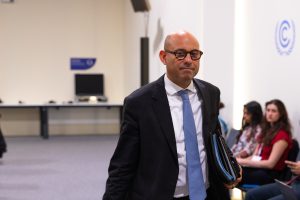
This gap highlights the financing challenges faced by developing countries. Simon Stiell, Executive Secretary of the UN Climate Change Secretariat, said that many countries are trapped in a cycle of debt, climate disasters and high capital costs. The threat of disasters can even drive up borrowing costs before a country experiences any direct impact.
“Vulnerable developing countries need more affordable finance, faster. Investment is growing, but it must reach more countries and benefit more people in more places,” said Stiell.
According to him, the agreement on global climate finance targets must be swiftly translated into simpler and fairer access to funding. Without improvements to the disbursement mechanisms, increased funding commitments may not necessarily meet the needs of those most vulnerable to climate change.
Promote accessible finance
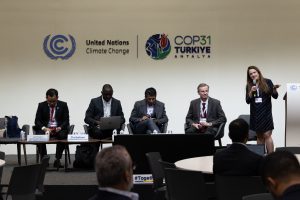
Efforts to improve access to finance were one of the key topics of discussion at the COP31 Finance and Trade Day. One of the approaches developed was the Sustainable Urban Resilience Financing Facility (SURFF), a facility designed to help governments and cities translate urban climate resilience priorities into projects ready to attract investment.
Unlike the establishment of a new fund, SURFF is designed as a coordination and implementation mechanism that links the state and local authorities with existing sources of funding, technical expertise and implementation support.
The initiative has received support from a number of international financial institutions, including the World Bank, the Asian Infrastructure Investment Bank, the Asian Development Bank (ADB) and the European Bank for Reconstruction and Development (EBRD).
Eyyüp Karahan, Director-General of İLBANK, said that it is hoped this mechanism can be developed on the basis of Turkey’s experience and replicated in other countries to strengthen urban climate resilience.
Meanwhile, ADB President Masato Kanda reaffirmed the ADB’s support for the COP31 implementation agenda. Climate finance, he said, needs to be channelled towards strengthening resilience, accelerating low-carbon growth, creating jobs and improving people’s quality of life.
In addition to SURFF, the United Nations Development Programme (UNDP) is also promoting the BRIDGE initiative to link national climate priorities with sources of public and private investment.
UNDP Administrator Alexander De Croo said that many countries already have climate plans, whilst investors have the capital. The challenge is to bring the two together through projects that are viable for funding.
BRIDGE will rely on the leadership of participating countries, financial support, and the technical expertise of the UNDP, which has a network spanning 170 countries.
Young farmers also need capital
The issue of access to finance is not limited to the government and urban infrastructure development. The agricultural sector also requires capital support to tackle climate change whilst maintaining food security.
The launch of Back Future Farmers at COP31 brought together young people, policymakers, funding organisations and industry leaders. The programme aims to help young farmers develop their agricultural ideas into commercially viable and sustainable businesses.
Access to finance is considered vital to ensure that the next generation of farmers can strengthen food security, improve their ability to cope with climate change, and safeguard the sustainability of rural communities.
Meanwhile, cooperation between the financial sector and climate policy has also been strengthened through the Network for Greening the Financial System (NGFS). The forum, chaired by the Governor of the Central Bank of the Republic of Turkey, Fatih Karahan, alongside the Chair of the NGFS, Olaf Sleijpen, discussed the economic and financial risks arising from climate change and the transition to a low-carbon economy.
EBRD President Odile Renaud-Basso said that the green transition presents a major economic opportunity to build a more resilient, efficient and competitive economy. Therefore, cooperation amongst multilateral development banks is needed to accelerate the implementation of climate action on a wider scale. (Hartatik)
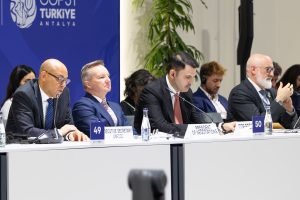
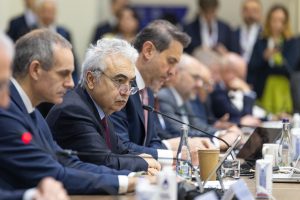
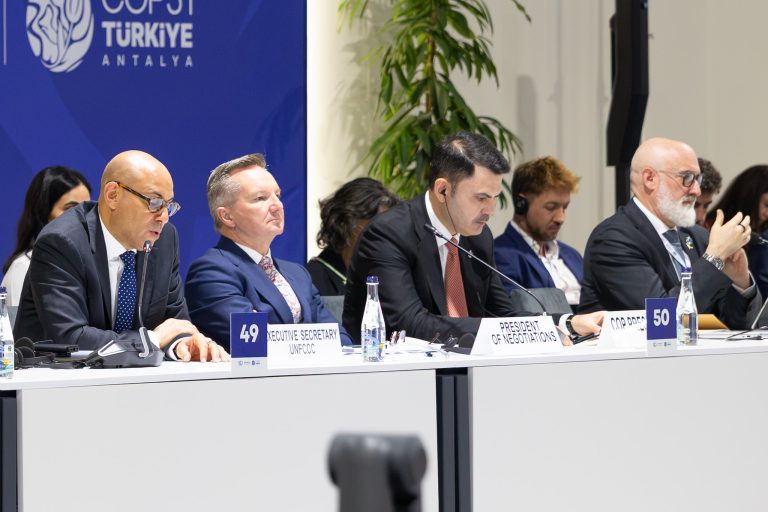
Banner photo: UN Climate Change Executive Secretary Simon Stiell, COP31 President of Negotiations Chris Bowen, and COP31 President Murat Kurum attend the “High-level Event on the Belém Mission to 1.” (Photo: © UN Climate Change – Kubilay Ciftci)