Disruptions to energy supplies through the Strait of Hormuz have highlighted the vulnerability of the global energy system, which remains dependent on fossil fuels. Amid rising tensions in the energy market and the impacts of climate change, the European Union is pushing to accelerate electrification and the expansion of clean energy use as part of its efforts to safeguard energy security.
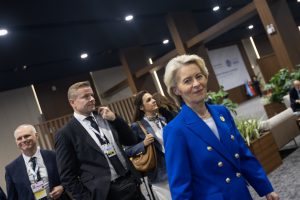
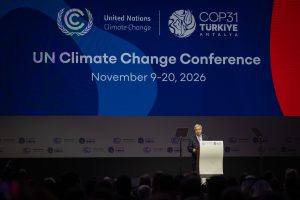
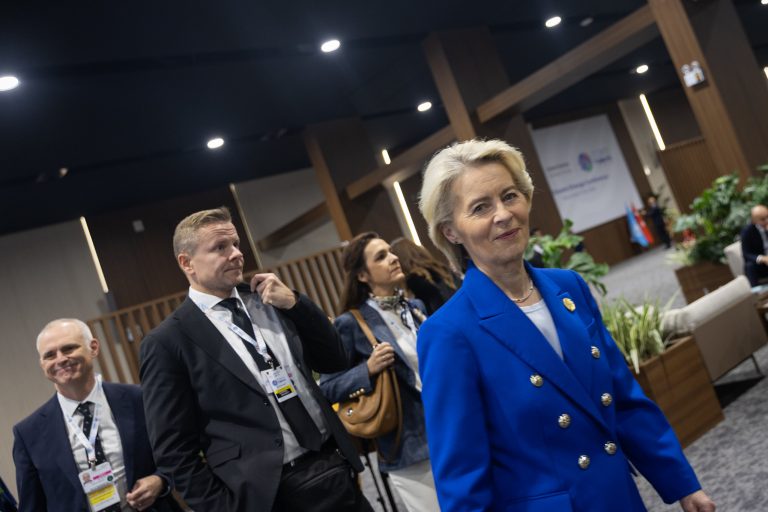
The President of the European Commission, Ursula von der Leyen, said in her speech at the high-level meeting of the UN Climate Change Conference (COP31) in Antalya, Turkey, on Wednesday 11 November, that these disruptions to energy trade routes were occurring alongside the growing threat of the climate crisis.
This situation shows that dependence on fossil fuels is not only linked to emissions, but also makes the global economy vulnerable to disruptions in energy supply and price volatility. “At the same time as the climate crisis is unfolding, disruptions of energy supplies through the Strait of Hormuz are shaking global energy markets,” said von der Leyen.
She said the world is at a critical juncture because it is having to face two challenges at once: energy security instability and the increasingly severe impacts of climate change.
According to von der Leyen, various disasters, such as the devastating floods in Nepal, the droughts stretching from Sudan to Central America, and the severe wildfire season in Europe, are making the impact of global warming increasingly apparent.
The latest United Nations (UN) report, she continued, also shows that the world is still on a path that could see global warming exceed the 1.5-degree Celsius threshold compared with pre-industrial levels. Yet every fraction of a degree rise in global temperature will increase the risk of climate change.
In response to this situation, the European Union has set out three priorities: meeting its emission reduction commitments, accelerating electrification, and strengthening international partnerships to support the energy transition.
The bloc claims to be on track to cut emissions by more than 50 per cent by 2030. The European Union has also set a target of a 90 per cent reduction in emissions by 2040 as part of its efforts to achieve climate neutrality by 2050.
Accelerate electrification
Accelerating electrification is one of the key strategies being promoted by the European Union. Von der Leyen expressed her support for the global electrification initiative ‘35 by 35’, introduced by the Turkish COP31 Presidency. The initiative aims to increase the share of electricity in global final energy consumption to 35 per cent by 2035.
She noted that more than 70 per cent of the European Union’s electricity generation in the previous year came from clean energy sources. The bloc is also aiming to increase the share of electricity in final energy consumption to 46 per cent by 2040.
Electrification is seen as a key step towards reducing dependence on fossil fuels, particularly through the use of clean electricity in the transport, industrial and domestic sectors.
In addition to the energy transition, the European Union also emphasises the importance of financial support for developing countries. Von der Leyen said that the European Union had channelled more than 32 billion euros, or around 35.5 billion US dollars, into climate finance for developing countries the previous year.
Through the Global Gateway initiative, the bloc has also mobilised more than 300 billion euros in sustainable investment. According to him, international cooperation and increased investment are needed to ensure that the transition to a low-carbon economy can take place more quickly and reach more countries.
“The science is clear. The climate impacts are increasingly clear. But the future is still ours to decide. And Europe will work with all of you to tip the scales in our favour,” she said. (Hartatik)
Banner photo: © UN Climate Change – Kiara Worth