The threat posed by El Niño is expected not only to raise global temperatures, but also to increase the risk of infectious diseases, air pollution and public health problems until 2027. The World Meteorological Organisation (WMO) has warned that this climate phenomenon could exacerbate the health impacts of extreme weather in various parts of the world.
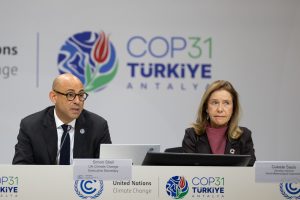
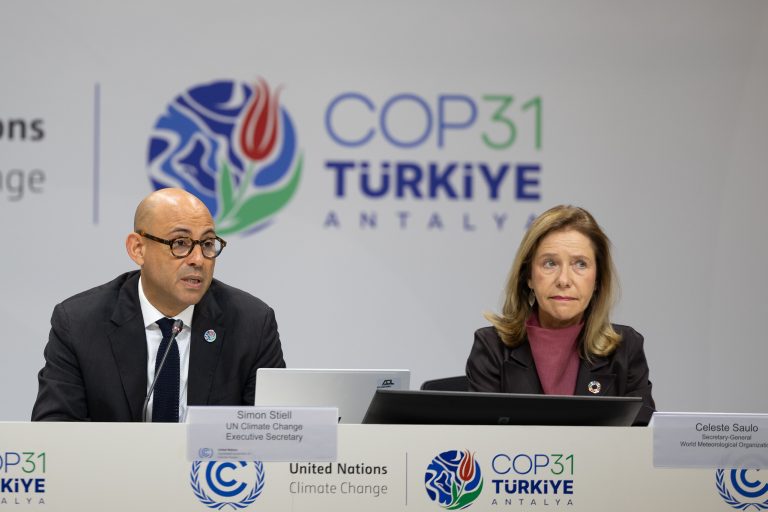
WMO Secretary-General Celeste Saulo at the COP31 press conference in Antalya, Turkey, on Monday, 9 November, said that above-average temperature rises have the potential to trigger a range of health threats that are not limited to exposure to extreme heat. These risks include an increase in cases of dengue fever, malaria and respiratory problems caused by deteriorating air quality.
“We are speaking also about dengue outbreaks, malaria outbreaks,” she said, in a press conference at COP31, in Antalya, Turkiye, Monday, November 9.
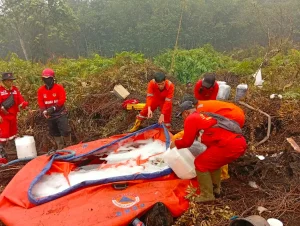
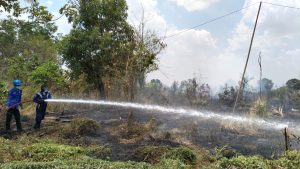
According to her, the increased risk of such diseases will depend heavily on rainfall patterns in each region. Hotter and drier conditions, for example, can increase the risk of forest fires, which in turn worsen air quality.
“If we expect a hot and dry season, you will have wildfires. With wildfires, you will have poor air quality,” she said. 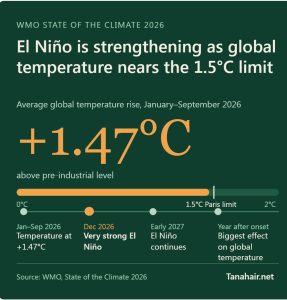
The WMO is working with the World Health Organisation (WHO) to strengthen the dissemination of information on the link between weather conditions and their impact on health. This is necessary to ensure that meteorological information can be translated into health risk warnings that can be used by the public and governments to take preventive action.
“We are working with the World Health Organization to translate the messaging from weather patterns to health impacts,” she said.
This warning is in line with the WMO’s 2026 Climate Status Report, which forecasts that El Niño will reach very strong intensity in December and continue into early 2027. This phenomenon has the potential to exacerbate the effects of global warming, particularly in terms of rising temperatures and extreme weather events.
The report notes that the average global temperature rise from January to September 2026 had reached around 1.47 degrees Celsius above pre-industrial levels. The WMO also points out that the impact of El Niño on global temperatures usually peaks in the year following the onset of the phenomenon.
“We are supercharging our weather and El Nino will be a risk multiplier,” Saulo said in a statement accompanying the report.
She added that heatwaves, tropical cyclones and torrential storms are increasing at a faster rate than predicted on the basis of historical records.
The climate crisis is a health crisis
Simon Stiell, Executive Secretary of the UN Framework Convention on Climate Change, believes that climate change has developed into a global health crisis. Its impacts are evident in the increasing exposure to extreme heat, pollution and disasters that disrupt health systems and infrastructure.
He said that hundreds of millions of people in South Asia were exposed to extreme heat. Meanwhile, the heatwave during the northern hemisphere’s summer broke temperature records and is estimated to have caused around 50,000 deaths in Europe.
Stiell also highlighted the impact of rising temperatures on the health of pregnant women, newborns and women in general. According to him, this issue forms part of the health crisis triggered by climate change.
The root of the problem, he continued, is inextricably linked to the large-scale use of coal, oil and gas, as well as ongoing deforestation.
Stiell is therefore calling for the accelerated roll-out of clean energy solutions and electrification to reduce the pollution that causes global warming, whilst also reducing dependence on fossil fuels.
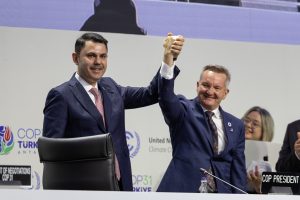
Health issues have once again become a key focus at COP31, under the leadership of Turkiye and Australia, building on the progress made at COP30 in Belém, Brazil. One example of this is the Climate and Health Financing Coalition, which has channelled more than USD 200 million in funding.
In addition to mitigation, the WMO emphasises the importance of strengthening preparedness for the impacts of extreme weather. The report notes that the number of countries reporting that they have multi-hazard early warning systems has risen from 56 in 2015 to 136 in 2025.
Early warning systems can help governments and communities put protective measures in place before a disaster strikes. In South America, for example, weather forecasts are used to prepare emergency shelters ahead of potential flooding and to aid decision-making in the agricultural sector.
The WMO report also warns that extreme heat, drought and heavy rainfall can exacerbate food insecurity and increase the risk of infectious diseases, including cholera, malaria and dengue fever. Preliminary estimates in the report suggest more than 30,000 additional deaths linked to heatwaves, droughts and wildfires in Europe. (Hartatik)
Banner photo: UN Climate Change Executive Secretary Simon Stiell and Celeste Saulo, Secretary-General of the World Meteorological Organization (WMO), speak during a WMO press conference (Photo: © UN Climate Change – Kiara Worth)
Update: 10 Nov. 2026, 13.10 — adding direct quotes, infographic