Jakarta — Indonesia’s Ministry of Environment has urged universities and researchers to develop innovative water conservation technologies as the rapid expansion of artificial intelligence (AI) and data centres raises concerns over pressure on the country’s water resources.
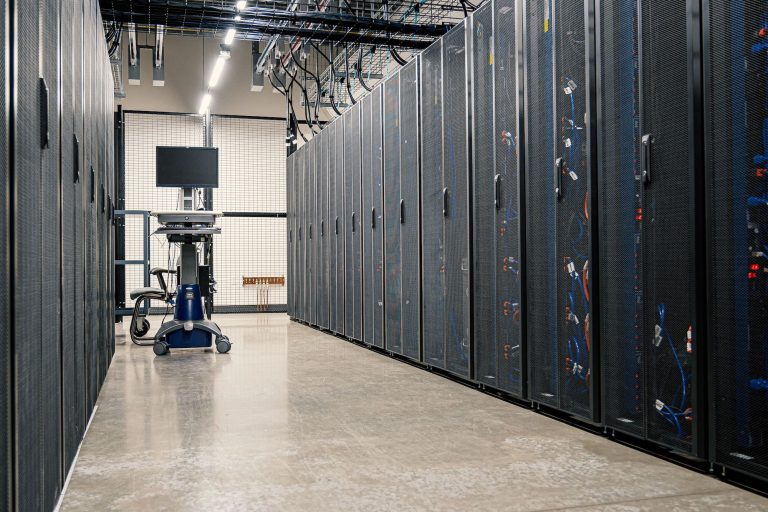
Deputy Environment Minister Diaz Hendropriyono said data centres and AI model training require substantial amounts of water and electricity, particularly to cool computer equipment and prevent overheating.
Speaking at the Water Innovation Festival at the University of Indonesia on November 7, Diaz warned that growing digital technology demands were adding to existing pressures from excessive groundwater extraction and damage to lakes and rivers.
“People need water, but water sources are limited. We are also damaging lakes and rivers, overexploiting groundwater, and then we use AI, which consumes water. So we need solutions such as those developed on university campuses, particularly for water conservation,” he said, according to a ministry statement issued on November 8.
His remarks come amid growing public concern over the water demands of data centres. In Batam, Riau Islands, residents of Teluk Mata Ikan, Nongsa, staged a protest on October 14 after their household water supply was cut off for the second time, while supplies to a nearby data centre were reportedly unaffected.
Residents questioned what they described as unequal water distribution, saying the disruption had left households struggling to meet their daily needs.
“We just want to know why this keeps happening. People should not have to continue struggling to get water while the data centre still has supplies,” resident Rizky told local news outlet Batamnews.
At the time of the report, authorities had not provided an official explanation for the interruption or confirmed the status of water distribution to the data centre.
Diaz said the growing number of AI queries and the computing power required to train AI models could significantly increase water and electricity consumption. While a single query might have a limited impact, the cumulative demand from billions of daily queries could be substantial.
He called on universities to translate research into practical solutions to safeguard water availability for communities as digital infrastructure expands.
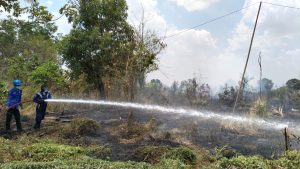
The deputy minister also highlighted the importance of restoring natural ecosystems that function as water reservoirs, particularly peatlands. He urged an end to peatland drainage through canals, advocating instead for canal blocking to retain water and restore peatland hydrological functions.
The Water Innovation Festival brought together academics and environmental stakeholders to showcase water conservation innovations. Former environment minister Emil Salim, who served from 1978 to 1993, also attended the event.
The ministry said collaboration between government, universities and communities would be essential to strengthening water conservation and ensuring that technological development does not undermine access to clean water. (nsh)
Banner photo: Brett Sayles/Pexels.com