Jakarta — The Indonesian government is stepping up nationwide preparedness measures as a strong El Niño pattern is forecast to prolong dry conditions through late 2026 and early 2027, raising concerns over worsening drought, forest fires, water shortages, and food security.
The heightened alert comes as multiple fires and drought-related incidents have already emerged across the country in recent days, underscoring the growing impact of the dry season.
The Meteorology, Climatology and Geophysics Agency (BMKG) has warned that El Niño has entered a strong phase, with a 98 per cent probability of persisting for the next 9 to 12 months. While El Niño does not mean continuous drought throughout the period, authorities say its overlap with Indonesia’s peak dry season from July to October could significantly suppress rainfall in vulnerable regions.
Areas expected to be hardest hit include Java, Bali, Nusa Tenggara, southern Sumatra, southern Kalimantan, Sulawesi, and southern Papua.
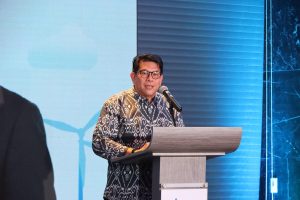
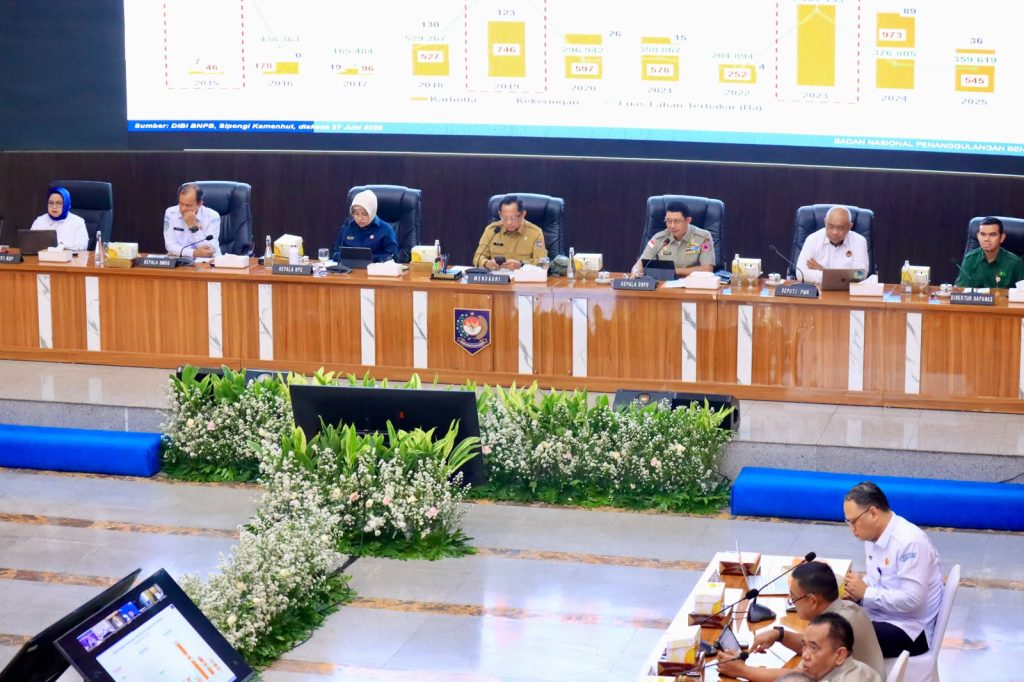
“Cross-sector preparedness is essential,” BMKG chief Teuku Faisal Fathani said during a national coordination meeting on Monday. “The risks of drought, forest and land fires, deteriorating air quality, and public health impacts must be anticipated early through strong coordination between central and regional governments.”
Recent incidents suggest those risks are already materialising.
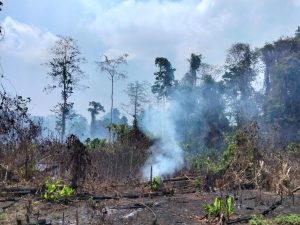
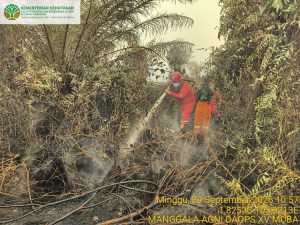
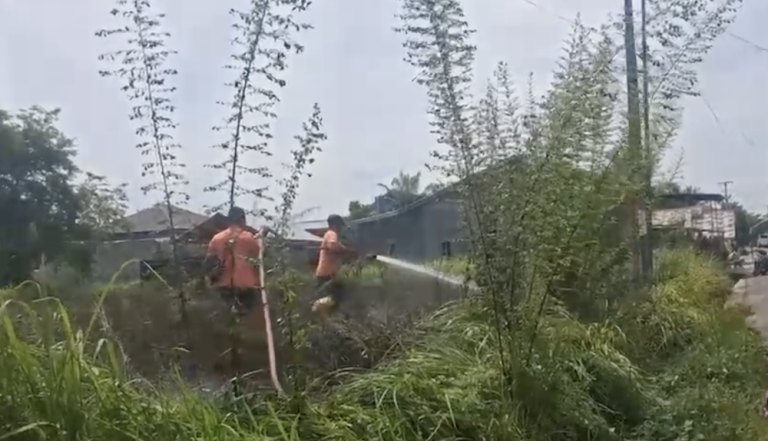
According to the National Disaster Mitigation Agency (BNPB), forest and land fires were reported over the weekend in several provinces. In Central Java province, a four-hectare fire burned land in Sukoharjo. Separate fires also broke out in Aceh and West Java, including a two-hectare fire in Sumedang. Authorities managed to extinguish all reported fires, but officials warned that rising temperatures and prolonged dry weather could trigger more incidents in the coming months.
Water shortages are also becoming increasingly severe.
Authorities are urging local governments to integrate climate risk into planning, improve water management, and closely monitor official climate and disaster updates as Indonesia braces for a potentially prolonged and severe dry season.
In Central Java, emergency clean water distribution is ongoing in Banyumas, Boyolali, and Klaten. BNPB reported that nearly 845,000 litres of water have been distributed in Klaten alone, benefiting almost 10,000 residents across four villages. Similar drought impacts were reported earlier in Bekasi, West Java and Bima, West Nusa Tenggara, where thousands of households have experienced reduced access to clean water.
To mitigate the impacts of El Niño, BNPB has expanded emergency preparedness measures, including weather modification operations, drilling groundwater wells, and building clean water pipeline systems in drought-prone areas.
The agency said it has built 109 bore wells across seven provinces, including West Java, Central Java, East Java, Lampung, and East Nusa Tenggara. It has also strengthened coordination in six priority provinces vulnerable to large-scale forest and land fires.
BNPB chief Suharyanto said early action is crucial to preventing a repeat of severe haze and wildfire crises seen in past El Niño years.
“We cannot wait until disaster strikes,” Suharyanto said. “All regional governments, ministries, the military, police, and relevant stakeholders must strengthen mitigation and preparedness now so the impacts of drought and fires can be minimised.”
Beyond disaster risks, officials are increasingly concerned about economic impacts, particularly on agriculture and food prices. Reduced rainfall could disrupt planting cycles, lower crop yields, and threaten national food security, potentially contributing to inflation. (nsh)
Banner photo: Emergency response efforts by the Langsa City Disaster Management Agency (BPBD) to tackle the forest and land fires that occurred in Langsa City, Aceh Province, on Sunday, June 28. Photo source: Langsa City Disaster Management Agency (BPBD)