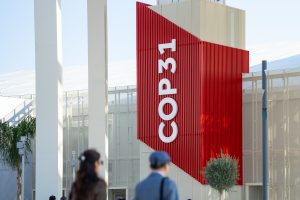
Around 655 million people worldwide still lack access to electricity, despite a surge in investment in clean energy and electricity infrastructure development, according to the International Energy Agency. This gap presents a major challenge in efforts to accelerate global electrification, an issue that has once again come to the fore at the UN Climate Change Conference, or COP31.
The COP31 Global Climate Action Agenda Electrification Delivery Package sets out various commitments by governments, companies, cities and financial institutions to accelerate the transition to an electricity-based energy system. However, the scale of the announced investments does not automatically guarantee that the whole of society will benefit from the energy transition.
Data in the report shows that Sustainable Energy for All (SEforALL) and the Universal Energy Facility have already achieved more than half of their target to provide 25,000 new electricity connections by 2028. In Sierra Leone, a programme to accelerate off-grid renewable energy is set to add 30,000 connections by 2028. The programme is expected to reach more than 200,000 people.
Nevertheless, the scale of the need remains far greater than the reported achievements. Around 655 million people worldwide still lack access to electricity, according to World Health Organisation data cited in the COP31 package.
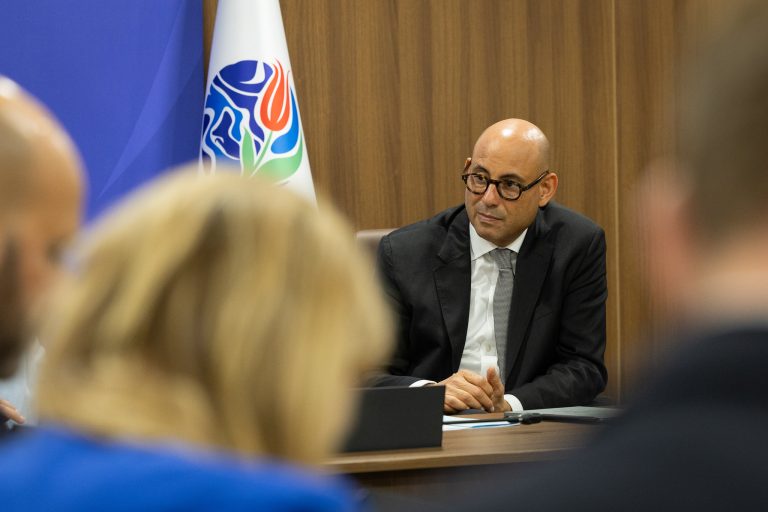
Simon Stiell, Executive Secretary of the UN Framework Convention on Climate Change, said that electrification is not merely a means of reducing greenhouse gas emissions. This transition also has the potential to reduce energy costs, improve air quality and address inequalities in access to energy.
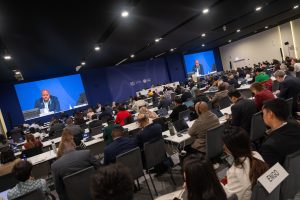
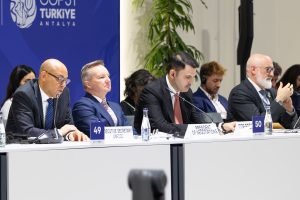
“Electrification is a huge efficiency booster, helping bring down greenhouse gas pollution and energy costs, and tackle grave injustices in energy access,” he said at the High-Level Meeting at COP31 on Thursday, 19 November.
Stefano Marguccio, Deputy CEO of SEforALL, believes that expanding electrification must begin by ensuring that communities have access to reliable, affordable and clean electricity. This is because energy availability is not only linked to household needs, but also determines the quality of education and healthcare services.
“For countries that are still waiting to be connected to electricity, this effort can bring jobs, education and healthcare all at once,” he said.
Infrastructure investment
On the other hand, the need to expand access to electricity goes hand in hand with the development of infrastructure to support growth in energy consumption. Members of the Utilities for Net Zero Alliance (UNEZA) report having built more than 21,000 kilometres of new electricity networks by 2025. This figure represents a 50 per cent increase compared with 2024.
The alliance also announced plans for combined annual investment of at least USD 156 billion in electricity grids, renewable energy and energy storage. This figure represents a 5 per cent increase on the previous year and a 35 per cent increase on 2024.
Grid reinforcement is essential because electrification involves more than simply switching the energy sources used in vehicles, buildings and industry. The electricity system also requires adequate grid capacity and storage to ensure that clean energy can reach consumers.
Turkiye, together with the International Renewable Energy Agency (IRENA), has launched the D-GRIDs initiative to support distribution network planning, investment, digitalisation and network resilience in developing countries. Meanwhile, the Green Grids Initiative has established a technical assistance centre that connects governments and utility companies with more than 20 specialist organisations.
In terms of financing, the Climate Investment Funds (CIF) operate a new funding mechanism called AMPLIFi. The UK is the first major donor, having contributed GBP 400 million. The mechanism is designed to mobilise up to GBP 5 billion in funding for clean energy, electricity grids, energy storage and electrification in developing markets.
Octopus Energy has also launched the Asia Electrification Fund, with a fundraising target of USD 600 million. Initial backing of USD 50 million has come from Japanese investors. Its first investment is aimed at supporting an energy developer in the Philippines planning a 450 MW solar power plant and 350 MWh battery storage project.
The challenges facing developing countries
The scale of investment required is also evident in small island developing states, which are vulnerable to the impacts of climate change. Through the SIDS Lighthouse Initiative, this group of countries is set to achieve an installed renewable energy capacity of 11.2 GW by 2025. This achievement exceeds the previous target of 10 GW for 2030, having been reached five years ahead of schedule.
At COP31, these countries set a new collective target of achieving 30 GW of renewable energy capacity by 2035.
Meanwhile, electrification is also gaining momentum in the transport and industrial sectors. A total of 13 zero-emission freight corridors are currently being developed across six continents, with a combined length of over 29,000 kilometres. Sales of electric vehicles in the signatory countries to the Zero-Emission Vehicles Declaration reached 2.1 million units in the first half of 2026.
In the industrial sector, 36 commercial-scale decarbonisation projects across 13 countries reached final investment decisions in the 12 months up to November 2026. This figure represents a record, according to the Global Project Tracker from the Mission Possible Partnership.
However, these achievements in investment and infrastructure development must still be accompanied by equitable access to and affordability of energy. Simon Stiell pointed out that the momentum for electrification must not stop at project announcements and funding commitments.
“We now need to carry this momentum to every country, so billions more people can share in the vast dividends of climate action,” he said. (Hartatik)
Banner photo: UN Climate Change Executive Secretary Simon Stiell (Photo: © UN Climate Change – Kiara Worth)