by Nabiha Shahab
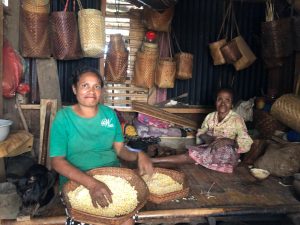
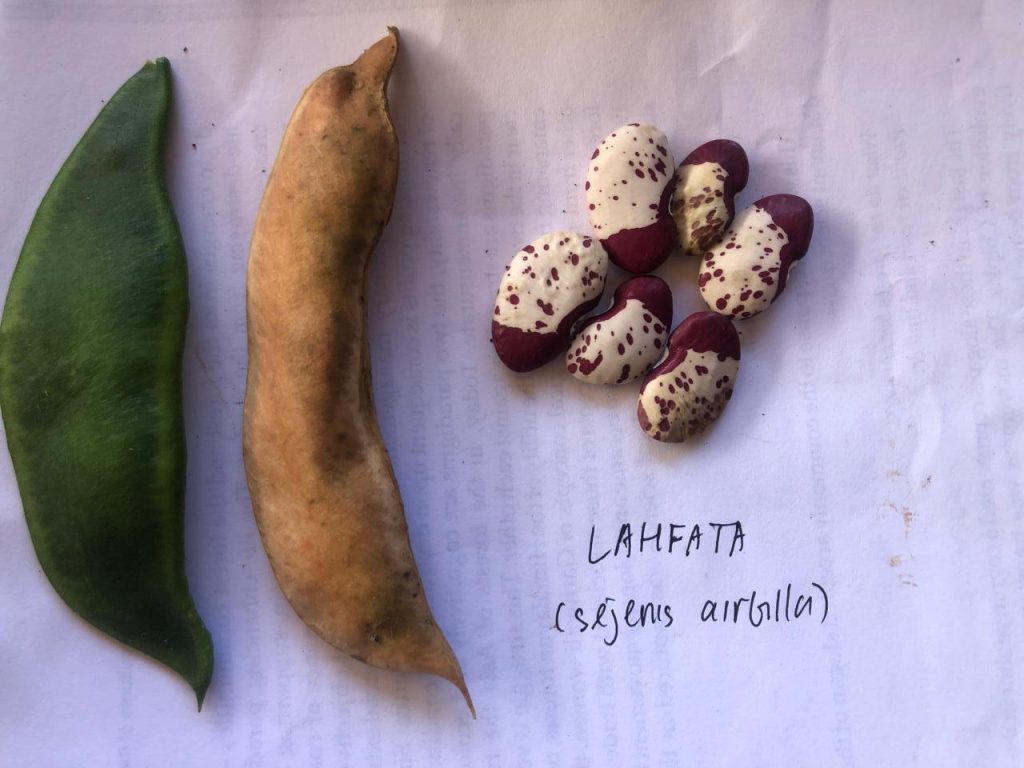
Mama Lota does not particularly like eating one of the traditional legumes she grows in her garden. Yet every planting season, she continues to sow its seeds and share them with her children.
People in her community in Alor, East Nusa Tenggara, say the legume tastes like egg yolk. For Mama Lota, however, its value goes far beyond its flavour.
She inherited the seeds from her mother, who received them from her own mother. How many generations have passed the legume down is no longer known.
“She keeps planting it because she got the seeds from her mother, and her mother got them from her mother, too,” said Hayu Diah, who works with indigenous communities to document and strengthen traditional food systems through Mantasa, an organisation focused on food diversity and community knowledge. Hayu said Mama Lota continues to plant the seeds in her garden and distribute them to her children.
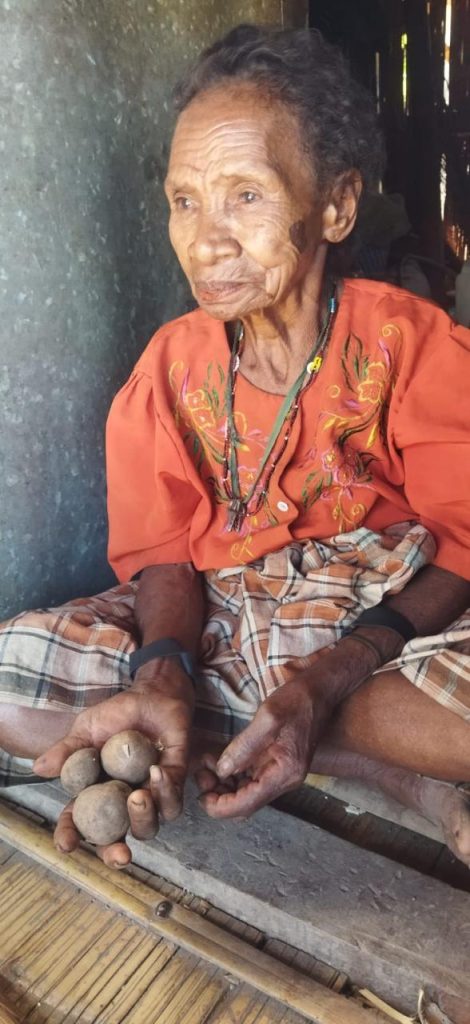
Together with her late sister, Mama Lota is known locally as the “guardian of seeds”. They represent a living link between generations of farmers and the agricultural diversity they have inherited. By continuing to grow and share the legume, Mama Lota helps ensure that seeds which might otherwise disappear remain available to the next generation.
Her story illustrates why preserving indigenous seeds is about more than protecting agricultural heritage. It is also about maintaining communities’ ability to grow diverse foods, adapt to changing conditions and retain some control over what they eat.
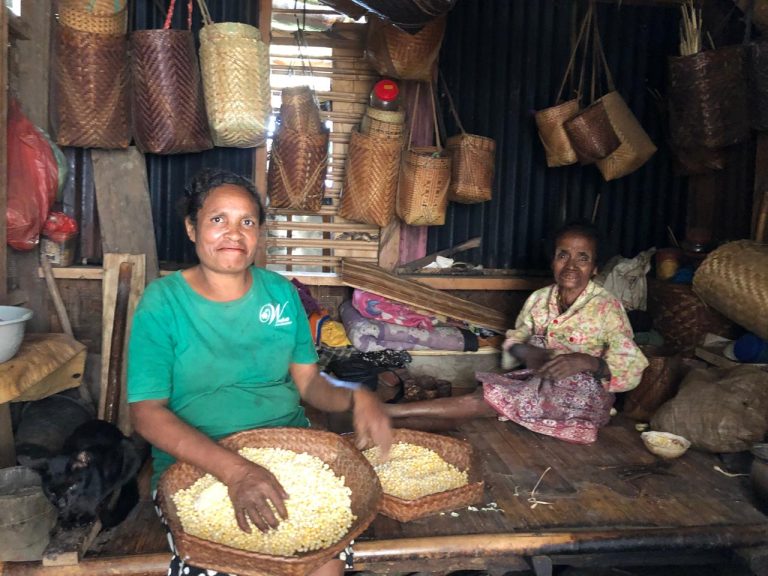
In Alor’s Takpala and Talwai villages, Hayu and her colleagues have been documenting traditional food systems and the knowledge held by older women. Their work has identified around 50 varieties of legumes, alongside traditional tubers and other crops that remain part of the region’s agricultural heritage.
Yet these food systems are changing. Traditional seed banks have gradually disappeared as households increasingly depend on rice and commercial crops. Younger generations often favour crops such as hybrid maize, while some traditional varieties are no longer regularly eaten, even by the families that continue to grow them.
Hayu said older women still regenerate certain ancestral seeds each year, despite declining demand for the foods they produce. Younger people may be curious to rediscover these crops, but they can struggle to find the seeds needed to cultivate them.
One proposal under discussion is a community seed cooperative based on traditional systems of sharing. Farmers could borrow seeds from one another and return them after harvest, allowing varieties to circulate within the community rather than depending solely on commercial distribution.
The stakes are particularly high as climate change and extreme weather threaten food production and supply chains. A community that retains a diverse range of locally adapted crops and the knowledge to cultivate them has more options than one dependent on a narrow selection of commercial varieties or purchased food.
The experience of Saga village, on neighbouring Flores Island, offers a warning about what can happen when traditional food systems are disrupted. Hayu said the community’s relocation from ancestral land following the designation of its traditional territory as a national park sharply reduced the land available for cultivation. Families that once grew at least 30 types of food plants came to depend on smaller plots and a narrower range of crops.
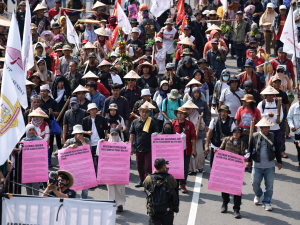
These local experiences resonate with wider debates over biodiversity conservation and indigenous rights ahead of the 17th Conference of the Parties to the UN Convention on Biological Diversity (CBD COP17), scheduled for October 19–30 in Yerevan, Armenia.
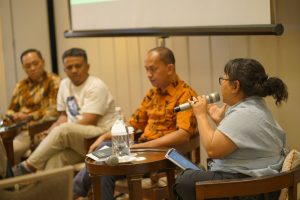
Cindy Julianty, coordinator of the Working Group on ICCAs Indonesia, argues that biodiversity governance must look beyond the protection of habitats and species to include traditional knowledge, community rights and control over genetic resources.
Indigenous seed banks, she said, help preserve local genetic diversity at a time when commercial systems and advances in biotechnology risk increasing farmers’ dependence on technologies and products they cannot reproduce themselves.
The challenge, she argues, is to address the underlying causes of biodiversity loss while ensuring that indigenous communities remain involved in decisions affecting their territories and resources.
Mama Lota’s garden offers a simple illustration of what is at stake. The legume she grows may not be her favourite food, but its seeds carry a history that cannot easily be replaced once lost.
By planting them and passing them on to her children, she is preserving not only a crop, but also the possibility that future generations will be able to grow it, eat it and decide for themselves whether it belongs on their tables.
Banner photo: The women of Alor Island in East Nusa Tenggara province. Seeds, food, basket weaving and women are inseparable in Alor. (Source: Hayu Diah/Mantasa)