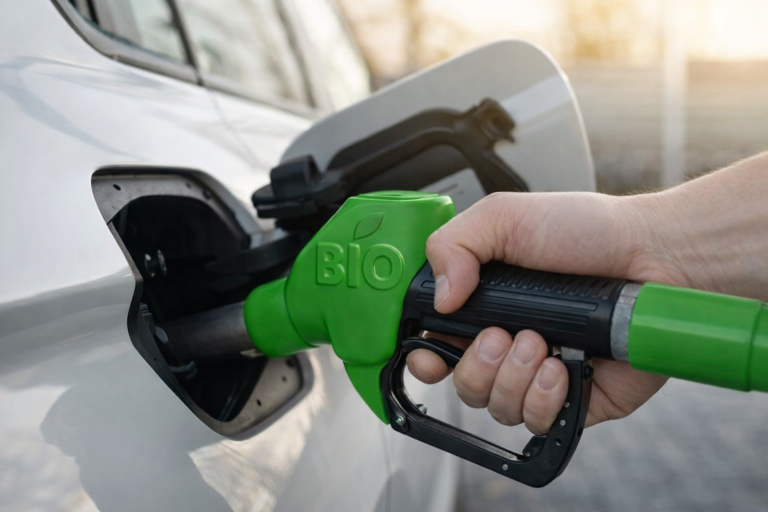
Jakarta – Indonesia’s planned rollout of a 50% biodiesel blend mandate (B50) on July 1 should be reassessed to account for its economic, environmental, and social risks, the Institute for Essential Services Reform (IESR) said.
In a statement released Tuesday, June 30, IESR said biodiesel blending can serve as a short-term strategy to reduce diesel imports, particularly during energy supply disruptions, but warned it should not become Indonesia’s primary long-term energy transition strategy. The organisation argued that transport electrification and fuel efficiency standards offer more effective pathways to achieving energy security and independence.
IESR Chief Executive Officer Fabby Tumiwa said the government must evaluate the policy beyond its impact on diesel imports. “The government needs to assess B50 comprehensively, not only from the perspective of reducing diesel imports, but also from its impact on costs, feedstock supply, food prices, smallholder farmers, and the environment,” he said.
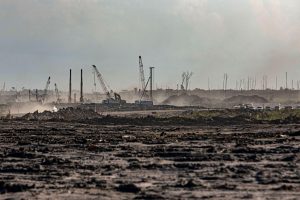
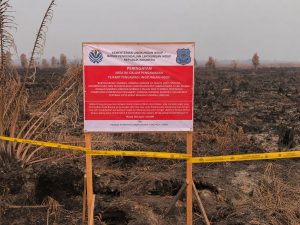
The think tank noted that expanding the biodiesel mandate could create cross-sector trade-offs, particularly as higher demand for crude palm oil (CPO) may affect food supply, cooking oil prices, inflation, and land use governance. It also warned that rising feedstock demand could place additional pressure on environmental sustainability.
IESR added that the economic rationale for B50 may no longer be as strong as it was when the policy was accelerated during the energy crisis triggered by disruptions in the Strait of Hormuz earlier this year. Global oil prices and import risks have since eased, while domestic refinery output, including that of the Balikpapan refinery, has increased.
Meanwhile, high CPO prices could significantly raise the cost of implementing B50, especially if the price gap between biodiesel and diesel widens. IESR urged the government to recalculate the policy’s financial burden and develop clear mitigation measures before expanding implementation.
The group also emphasised that deeper emissions reductions would come from structural reforms in the transport sector. IESR estimates that battery electric vehicle adoption could cut emissions by 46 million tons of carbon dioxide by 2060, with reductions reaching 210 million tons when combined with stricter vehicle age limits. By comparison, increasing the biodiesel mandate to B60 is projected to reduce emissions by around 88 million tons by 2060, excluding emissions from land-use change.
IESR called on the government to conduct an open evaluation of B50’s benefits, costs, and risks to ensure energy policies remain aligned with decarbonization goals, energy security, price stability, and public welfare. “Energy policy must be designed so that it does not create new burdens for the public or other sectors,” Fabby said. (nsh)
Banner photo: Image generated by OpenAI’s DALL·E via ChatGPT (2026)