Jakarta – Indigenous Kasepuhan communities in Banten province have renewed calls for the Indonesian government and the House of Representatives (DPR) to immediately pass the long-delayed Indigenous Peoples Bill (RUU Masyarakat Adat), arguing that legal recognition is essential to protect customary territories, food sovereignty, and traditional knowledge.
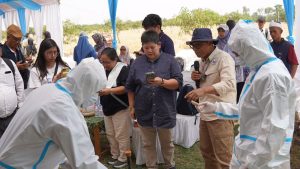
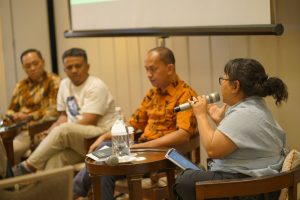
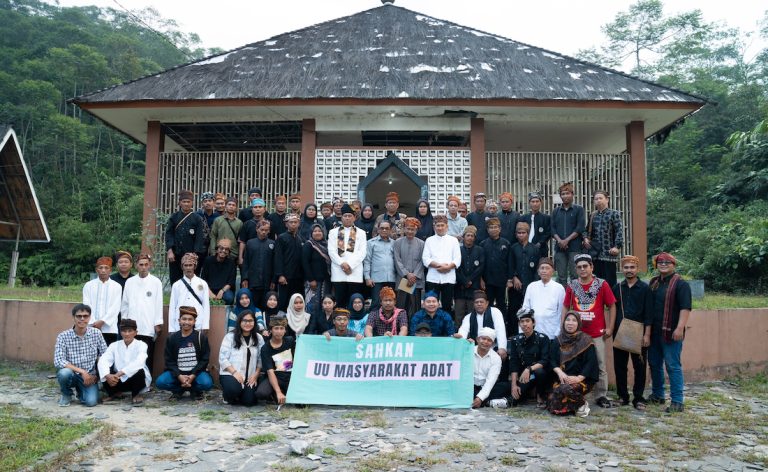
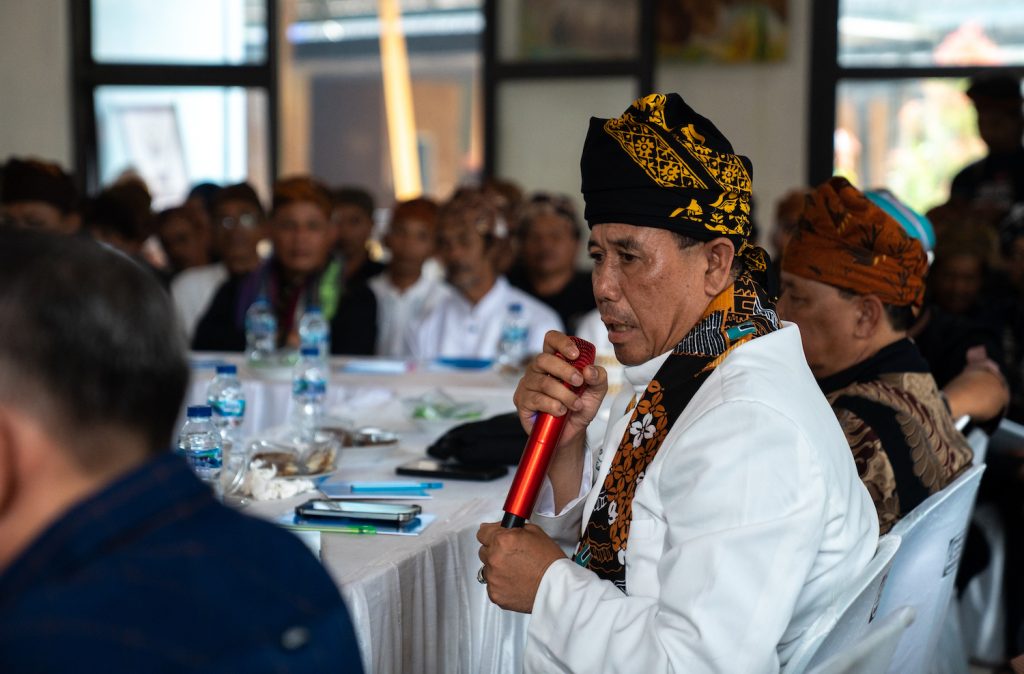
The appeal was made during a public discussion and consolidation meeting hosted by Kasepuhan Citorek in Lebak, Banten, on Friday, July 17. The event brought together representatives from 15 Kasepuhan communities, Indigenous leaders, youth, women, civil society organisations, academics, students, media, and lawmakers to strengthen support for the bill, which has remained stalled for 16 years.
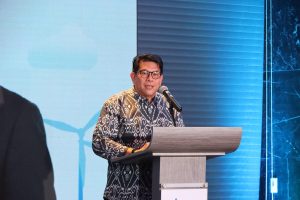
Ahmad Fauzi, a member of the DPR’s Commission V from the National Awakening Party (PKB), expressed optimism that the bill would move forward after being included in the 2026 National Legislative Program (Prolegnas) as a priority initiative proposed by the House’s Legislative Body (Baleg).
He said lawmakers were consulting a wide range of stakeholders to ensure the legislation comprehensively addresses the needs of Indigenous communities.
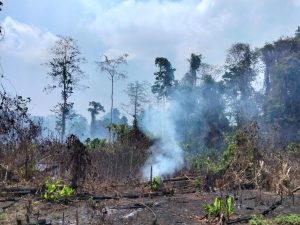
Although Indonesia’s Constitution recognises Indigenous Peoples and their traditional rights, the country still lacks a comprehensive law governing their recognition and protection. Organisers noted that the absence of legal certainty has contributed to increasing conflicts over customary lands.
According to the Indigenous Peoples Alliance of the Archipelago (AMAN), 135 cases of customary land grabbing affected 109 Indigenous communities in 2025, involving around 3.8 million hectares. The organisation also recorded 162 Indigenous people subjected to criminalisation or other forms of violence during the year.
The coalition highlighted that the Customary Territory Registration Agency (BRWA) has documented 1,583 customary territories covering 32.3 million hectares across 32 provinces, but only a small portion has received formal legal recognition.
Speakers from Kasepuhan communities emphasised that customary knowledge remains central to maintaining food sovereignty through sustainable forest management, protection of water sources, use of local seed varieties, and the leuit, or traditional rice granary.
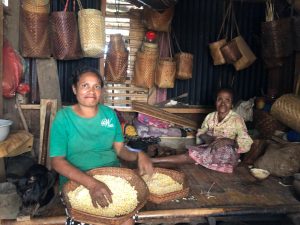
Een Suryani, an Indigenous woman from Kasepuhan Karang, said women play a vital role throughout the traditional agricultural cycle, from selecting seeds and planting rice to storing harvests and preparing rice for daily consumption and the annual Seren Taun harvest festival.
Rosmawati, representing Indigenous women and the Indigenous Youth Council of Java, warned that the loss of customary territories would also erase Indigenous knowledge systems that have sustained communities for generations. She also called on Indigenous youth to return to their villages and continue traditional farming practices to safeguard natural resources for future generations.
The Coalition for the Indigenous Peoples Bill urged the government and parliament to pass the legislation in 2026, ensure meaningful participation of Indigenous communities during deliberations, end criminalisation and land grabbing, and formally recognise Indigenous knowledge as a key pillar of food sovereignty, ecological justice, and environmental sustainability. (nsh)
Banner photo: Participants of the public discussion and consolidation meeting hosted by Kasepuhan Citorek in Lebak, Banten, on Friday, July 17. Source: Coalition for the Indigenous Peoples Bill