Jakarta — The Banda Aceh city government has taken a step toward integrating gender equality into its climate policies by advancing the drafting of its Regional Action Plan on Gender and Climate Change (RAD-GPI) for 2026–2030.
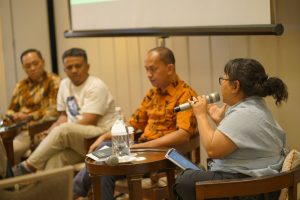
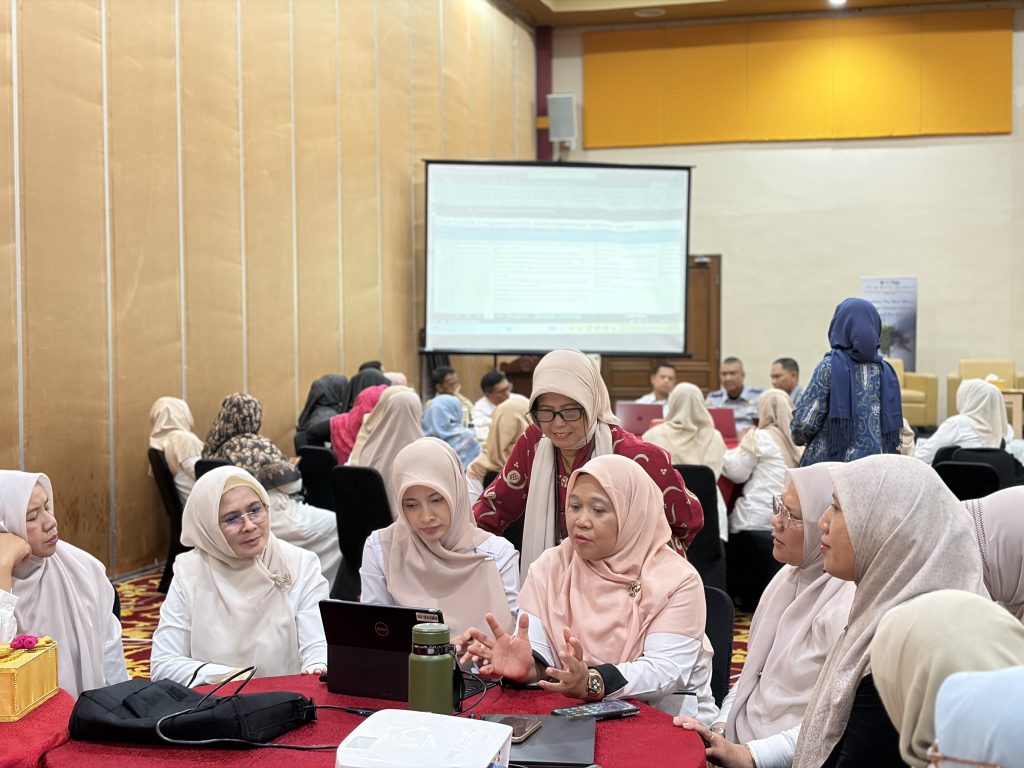
In a statement on Wednesday, July 8, the Aceh Climate Change Initiative at Syiah Kuala University (ACCI USK) and the city’s RAD-GPI team, with support from UN Women, organised a two-day focus group discussion, beginning on Wednesday, bringing together 145 participants from government agencies, academia, civil society, communities and development partners. The forum aims to strengthen existing climate programs by making them more gender-responsive.
As a coastal city, Banda Aceh faces increasing climate risks, including flooding, extreme weather and coastal erosion, with women, children, older people, persons with disabilities and low-income households among those disproportionately affected.
Suraiya Kamaruzzaman, head of ACCI USK, said the action plan is intended to become a practical tool for integrating gender equality, social inclusion and climate change into local development policies rather than simply producing an administrative document.
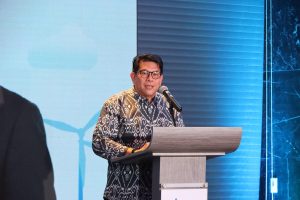
Mayor Illiza Sa’aduddin Djamal said the success of the RAD-GPI would be measured by how effectively it translates into policies and public services that benefit residents. She reaffirmed the city’s commitment to building climate resilience while ensuring equal protection and opportunities for women, men, children and persons with disabilities.
The initiative is part of the EmPower programme, implemented by UN Women and the United Nations Environment Programme (UNEP) with funding from the governments of Sweden, Germany, Switzerland and New Zealand. The programme promotes gender-responsive climate action by strengthening women’s participation in the just energy transition and climate-resilient livelihoods.
Following the discussions, the city’s RAD-GPI team will consolidate the outcomes into a draft Regional Action Plan for 2026–2030, designed to align climate action with existing local development plans and strengthen inclusive, evidence-based governance. (nsh)
Banner photo: Image generated by OpenAI’s DALL·E via ChatGPT (2024)