by: Roffie Kurniawan
Google and McKinsey through Symbiosis Coalition and Thryve.Earth have entered into a carbon offtake agreement to restore 6,000 hectares of land on the island of Sulawesi, marking a significant carbon offtake deal in Indonesia.
Under the agreement, the Symbiosis members set their commitment to purchasing 335,000 tonnes of carbon removal over the next decade from Thryve.Earth, renowned for its high-integrity, nature-based carbon projects across South and Southeast Asia, Symbiosis said in a statement last week.
The project – Symbiosis Coalition’s first in agroforestry – will restore degraded land in Sulawesi, Indonesia, by planting productive fruit and timber trees that store carbon while generating real, lasting income for local communities.
Agroforestry projects have the potential to store an estimated 1.1 to 2.6 billion tonnes of carbon globally and deliver benefits that go well beyond carbon removal. Integrating a mix of trees and crops, these projects range in size and scale from ones that engage thousands of smallholder farmers to medium-to-large-sized farms.
A key strength of agroforestry projects is that, when designed well, they can reduce the risk of displacing harmful activity to other areas, with the potential to reduce degradation and deforestation pressure on nearby forests. This is due to the fact that these projects lead to better soil health, improved water retention, and greater biodiversity, creating more productive lands.
Farmers and landowners generate income from both farming and carbon revenue, which means that the financial incentives to maintain and grow the system are built in from the start.
“The Thryve project demonstrates that positive community and ecological outcomes are not just co-benefits of high-integrity projects but importantly are co-drivers of success,” said Julia Strong, Executive Director of Symbiosis Coalition.
“The long-term offtakes from Symbiosis members give the Thryve team the certainty they need to build at scale, and that’s exactly the kind of signal that unlocks the impact of this market and of projects like Thryve for people and planet,” said Julia Strong.
“We are grateful to now scale such work in Sulawesi by bringing in institutional rigour and keeping stakeholders at the centre of everything we do,” said Vinay Kulkarni, Co-Founder and CEO of Thryve.Earth.
“Turning degraded grassland back into productive forests is, above all, an operational challenge. By pairing high-quality saplings and rigorous field protocols with verifiable monitoring of every hectare, we give our partners confidence that the carbon removals and community benefits are real, measurable, and built to last,” said Ron Steinherz, Co-Founder and COO of Thryve.Earth.
Carbon finance
Carbon finance plays a crucial role in scaling up this project. The Thryve model builds upon successful implementations in Temboan, Sulawesi, and East Kalimantan. However, the initial expenses for clearing invasive grasses and planting new crops and trees are a barrier for farmers to independently initiate and benefit from these systems.
These models leverage decades of field expertise from the Masarang Foundation, under the leadership of Dr Willie Smits, a tropical ecologist and conservationist. His work has proven that degraded landscapes can be restored while providing sustainable livelihoods for local communities.
Offtake agreements offer the volume and price stability needed by project developers to attract investments, enabling the project to expand across thousands of hectares. The environmental advantages go beyond carbon sequestration.
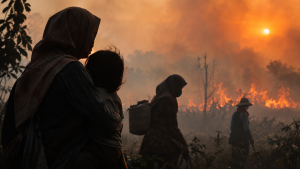
Previous applications of this model have resulted in increased tree coverage, enhanced soil health, and improved resilience to drought and fire in the initial years.
Restoring rainforests in Sulawesi
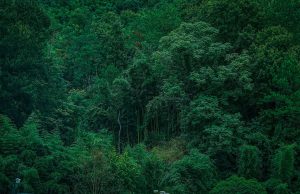
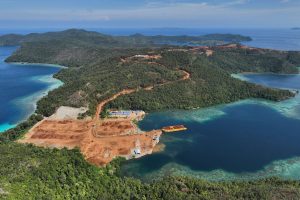
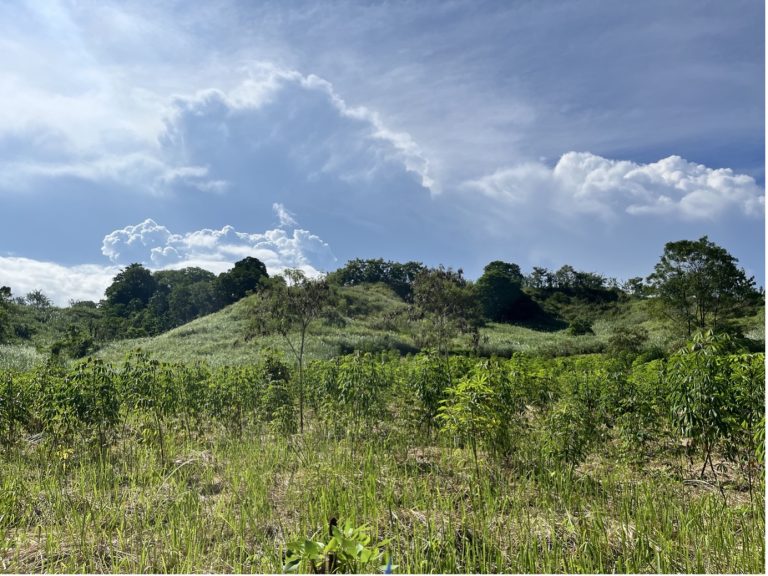
Sulawesi, Indonesia, is home to some of the world’s most biodiverse and carbon-rich rainforests. However, these vital ecosystems have suffered extensive degradation due to shifting agriculture, soil erosion, and the spread of invasive species.
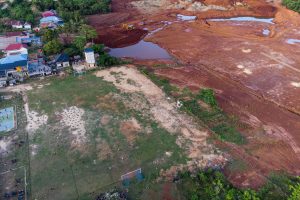
Thousands of hectares that were once lush with diverse forests have become landscapes dominated by invasive, flammable grasses. This transformation has left smallholder farmers grappling with declining soil fertility and struggling to sustain their livelihoods.
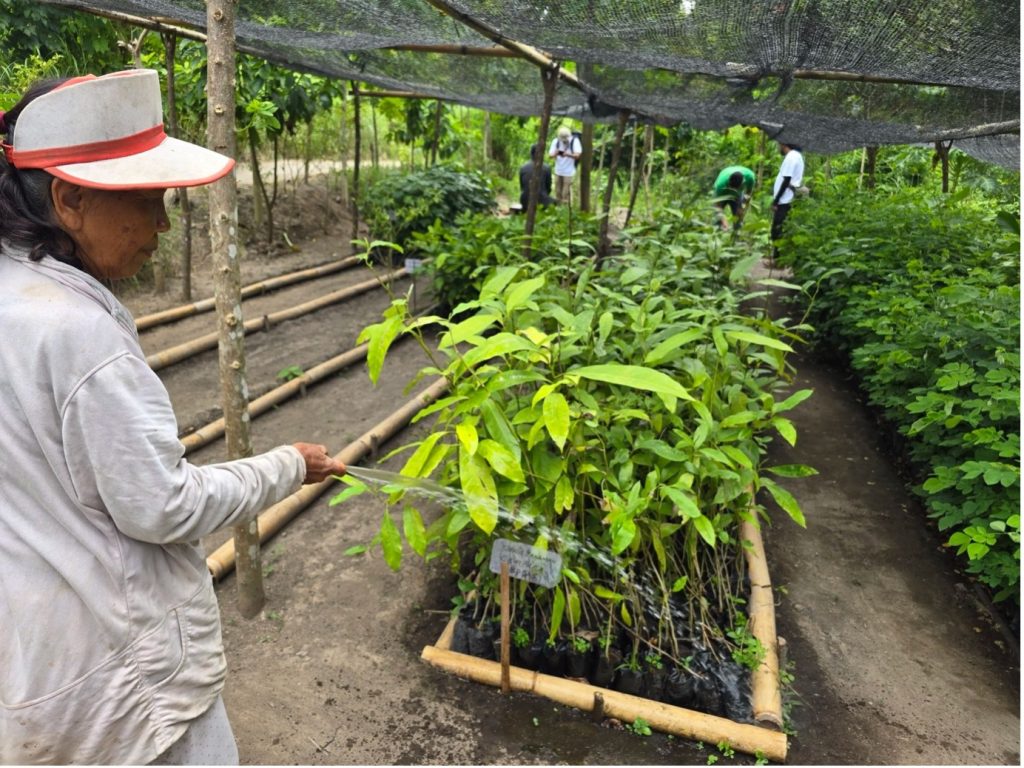
Thryve has introduced an agroforestry model to rejuvenate landscapes overtaken by invasive grasses. This approach involves a blended farming system that not only captures carbon but also restores soil health, lowers fire risks, and boosts both biodiversity and farmer income.
The model incorporates a top canopy layer of sugar palm plants and timber trees, a middle layer featuring papaya, avocado, coffee, and banana plants, and ground-level crops like chilli and corn. This configuration maximises land use efficiency and diversifies farmers’ incomes through varied harvest schedules.
Crops such as chilli and corn are ready to harvest within 6 months, while banana and papaya yield within 12 to 18 months. Trees like sugar palm and durian serve as long-term income sources.
Collectively, these diversified income streams are far more lucrative than carbon revenue alone, providing economic incentives that support the continued maintenance and growth of this sustainable system.
Banner photo: An agroforestry project of Thyrve.Earth, located on Sulawesi (photo credit: Thryve.Earth)