Jakarta — The Indonesian government has lowered the price of liquefied natural gas (LNG) for industrial users to USD13 per MMBTU, down from around USD20–23 per MMBTU, in a move aimed at easing cost pressures on manufacturers and preventing layoffs.
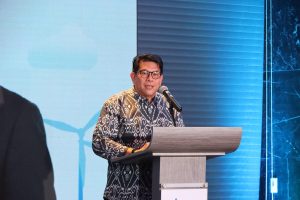
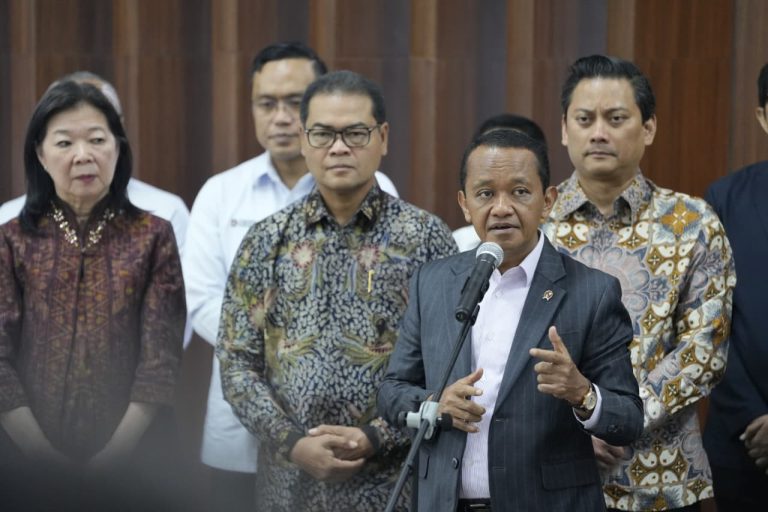
Energy and Mineral Resources Minister Bahlil Lahadalia announced the decision on Monday, June 29, following a coordination meeting with the House of Representatives and industry stakeholders, after mounting concerns from manufacturers and labour groups over soaring gas prices.
The policy comes after complaints from industrial associations, particularly from the ceramic sector, as well as labour unions, including the Konfederasi Serikat Pekerja Indonesia, which warned that higher energy costs could threaten factory operations and jobs.
“In the last 10 days, we received aspirations from industry associations from the ceramic sector and several other industries, including labour unions,” Bahlil told reporters at the parliament complex in Jakarta.
He said the government’s main priority is safeguarding industrial competitiveness while maintaining employment.
“We view ensuring the sustainability of jobs as part of the government’s responsibility,” he said.
The government outlined three pricing schemes for industrial gas supply.
First, the Certain Natural Gas Price (Harga Gas Bumi Tertentu/HGBT) scheme remains unchanged at USD6.5–7 per MMBTU, depending on usage. Gas used as industrial feedstock remains priced at USD6.5, while gas used as fuel remains at USD7 per MMBTU.
Second, industrial pipeline gas outside the HGBT scheme but sourced within Java will remain at USD9.6 per MMBTU. Third, and most significantly, the government has intervened in the pricing of LNG-based industrial gas supplied to factories in West Java, Banten, and Jakarta, where prices had surged sharply due to supply constraints.
Bahlil said the price spike was caused by declining gas production from western Java fields, forcing industries in the region to rely more heavily on LNG shipments from Papua, Sulawesi, Kalimantan and other areas outside Java.
Unlike pipeline gas, LNG requires transportation, regasification, and additional infrastructure before it can be delivered to industrial users, significantly raising costs.
“The issue is not a lack of gas supply. Gas is available. The problem is that LNG prices are high,” Bahlil said.
He added that industrial players had proposed a price range of around USD15–16 per MMBTU, but after internal calculations and consultation with President Prabowo Subianto, the government opted for a lower price.
“Based on the President’s directive to protect industry and employment, the price has been reduced to USD13 per MMBTU,” he said.
The price cut will be achieved through cost optimisation and efficiency improvements across the LNG supply chain, including upstream gas pricing, LNG processing, infrastructure, and trading costs.
The government said the policy aims to maintain the balance between affordable gas prices for industry, reliable supply, and the long-term sustainability of Indonesia’s gas sector.
PT Perusahaan Gas Negara, or PGN, said it is ready to implement the policy and ensure a stable supply for industrial customers.
PGN president director Arief K. Risdianto said the company supports the government’s efforts to create a fair and sustainable gas pricing structure. “We will continue ensuring gas supply remains reliable, safe, and sustainable to support industrial competitiveness and strengthen national energy security,” Arief said in a statement issued by ESDM.
The government expects the move to provide immediate relief to energy-intensive industries while helping preserve jobs amid global energy price volatility. (nsh)
Banner photo: Ministry of Energy and Mineral Resources