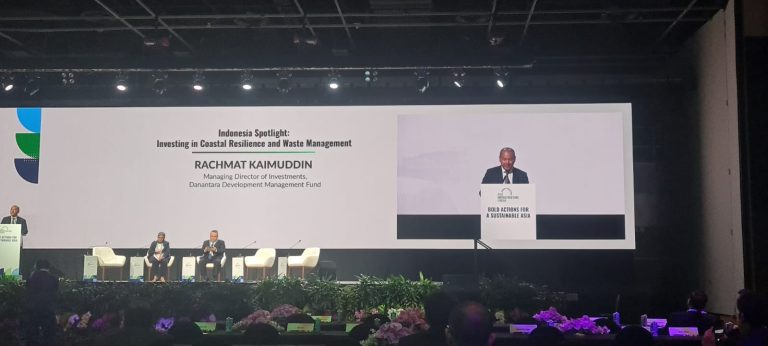
Singapore – The Indonesian government presented a comprehensive infrastructure strategy aimed at securing basic services at the Asia Infrastructure Forum 2026 in Singapore on Tuesday, June 16, while addressing the existential threats of climate change to the nation’s economic heartland.
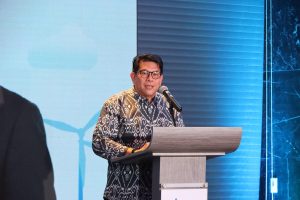
Rachmat Kaimuddin, the Deputy Coordinating Minister for Basic Infrastructure, said that the current investment focus is rooted in getting “basic services right.” According to Kaimuddin, the primary mission is to protect and enhance infrastructure that supports the production and distribution of food, specifically focusing on irrigation and rural roads. Beyond food security, the ministry is prioritising water and sanitation infrastructure to ensure citizens have access to clean water and healthy living environments.
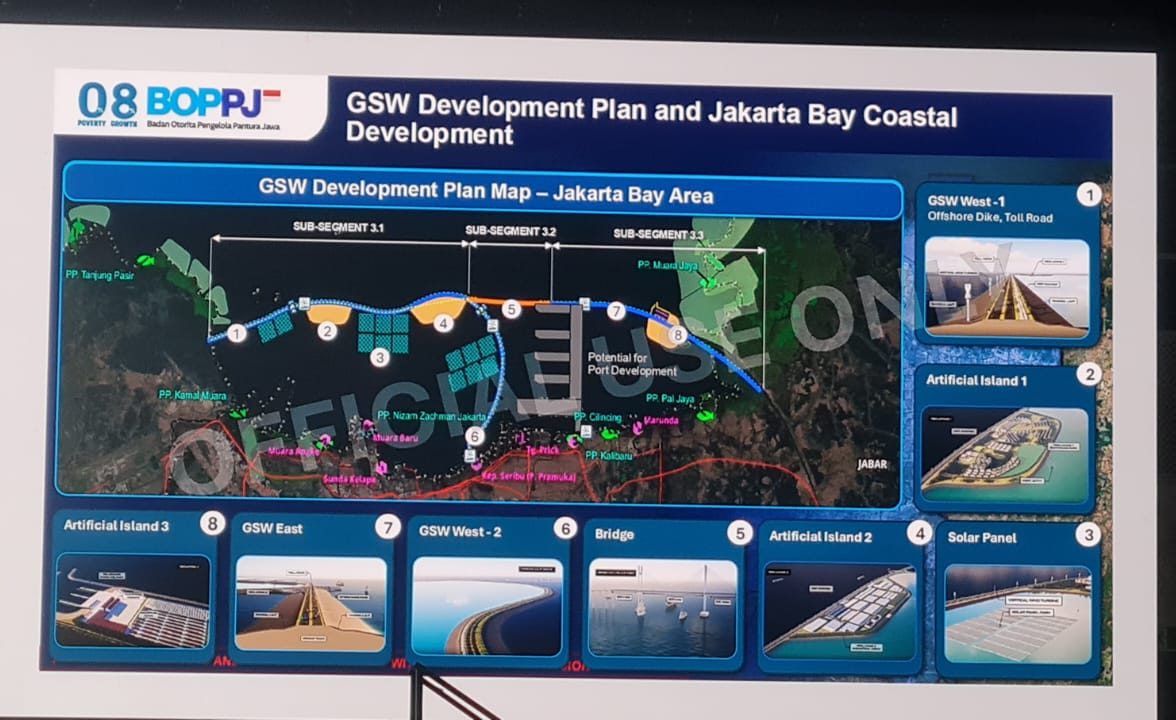
Kaimuddin also highlighted the necessity of supporting Indonesia’s growing economy through cleaner energy and enhanced energy resilience. However, he acknowledged that Indonesia faces a “challenging environment” that requires large-scale intervention, specifically identifying coastal protection and modern waste management as critical pillars. He noted that the proposed “Giant Sea Wall”, stretching approximately 1,000 kilometres, presents not only a protective barrier but also a significant opportunity for real estate investment.
Expanding on the technical and economic urgency of these projects, Mohammad Irfan Saleh, Deputy of Funding and Investment at the newly established North Java Coastal Management Authority, described the Northern Java corridor as vital to the national interest. Saleh pointed out that Northern Java produces approximately 40% of Indonesia’s GDP, while the capital city, Jakarta, serves as the “heart of our economy,” contributing about 60% of that regional total.
The challenges facing this region are severe, including land subsidence, rising sea levels, and extreme weather. To combat these, Saleh’s organisation is preparing for “huge and complex projects” that go beyond traditional construction. “It’s not the wall as such… but it’s also combining the green infrastructure,” Saleh explained, noting that the plan integrates nature-based solutions like mangrove restorations and carbon financing with “grey infrastructure” such as ports and artificial islands.
In Jakarta specifically, the plan involves a Giant Sea Wall combined with artificial islands, designed to upgrade connectivity through new roads and transportation systems. Saleh also proposed an innovative energy component: utilising the massive 12,000-hectare retention lake created by the wall for floating solar panels. He estimated that even using only 2% or 3% of the reservoir’s capacity would result in a “very huge” energy output.
Both officials concluded by inviting private sector investors and multilateral development banks to participate in these initiatives. As Indonesia moves away from traditional practices like simple landfills and unprotected coastlines, the government is actively seeking new investment schemes to fund the next generation of sustainable and resilient infrastructure. (nsh)
Banner photo: Rahmad Kaimuddin, the Deputy Coordinating Minister for Basic Infrastructure presenting at the Asia Infrastructure Forum 2026