Jakarta – Indonesia is assessing the expanded use of compressed natural gas (CNG) as a domestic energy alternative to reduce reliance on imported liquefied petroleum gas (LPG), according to the Ministry of Energy and Mineral Resources on Monday, April 27.
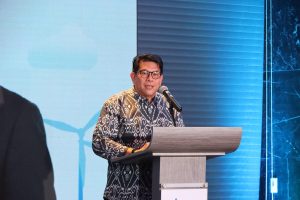
Energy and Mineral Resources Minister Bahlil Lahadalia said the proposal remains under discussion and is expected to be finalised soon as part of broader efforts to strengthen national energy independence.
“CNG is still under review, but it is one of the best alternatives to support self-sufficiency in the LPG sector,” Bahlil said after a limited cabinet meeting with President Prabowo Subianto at the State Palace on Monday.
Indonesia currently consumes around 8.6 million tonnes of LPG annually, of which only about 1.6–1.7 million tonnes are produced domestically, leaving the majority to be met through imports.
Bahlil said CNG could be sourced from domestic natural gas, particularly methane (C1) and ethane (C2), which are compressed at pressures of 250–400 bar to enable efficient storage and distribution. Indonesia has 57 business entities engaged in the CNG trading sector.
CNG is already used in several industries, including hotels, restaurants and some gas fueling stations (SPBG), with feedstock fully supplied from domestic sources. The government aims to scale up its use as part of a broader strategy to prioritise local energy resources.
“In an uncertain geopolitical era, we must find formulations to ensure our survival. Domestic production must be prioritised,” Bahlil said.
The CNG initiative forms part of Indonesia’s wider energy diversification strategy, which includes boosting oil and gas output, expanding biofuel use such as B50, and exploring alternatives to LPG, including dimethyl ether (DME), as the country seeks to strengthen resilience against global energy shocks. (nsh)
Banner photo: Pertamina conducted a trial run on the use of liquid LNG to fuel CNG transport trucks in Java, January 2023. (Source: Subholding Gas Pertamina)