Jakarta – As floods, extreme weather and other disasters continue to affect communities across Indonesia, the University of Indonesia (UI) is encouraging young people to take a more active role in disaster preparedness, starting at home and school.
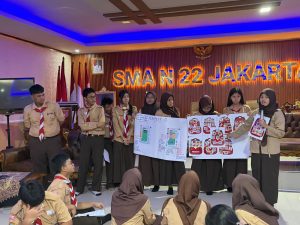
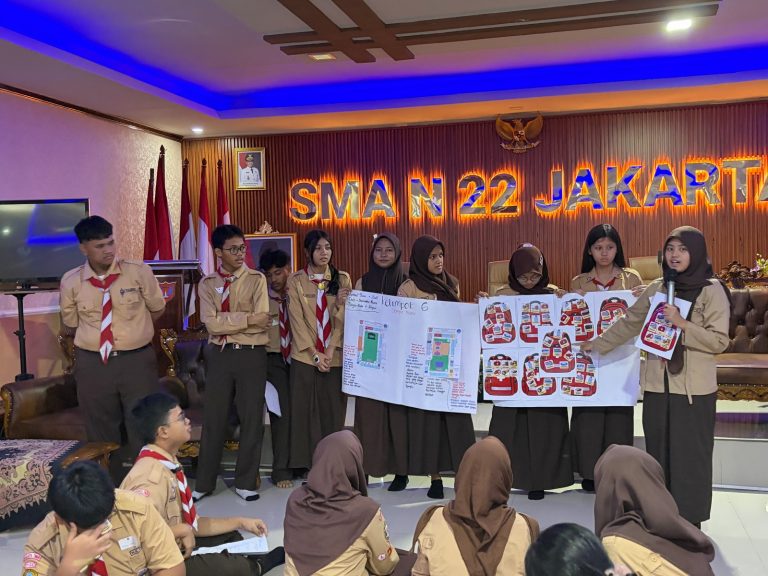
The School of Environmental Science and Sustainable Development (SPPB UI), through its Master’s Programme in Disaster Management, held a disaster preparedness education programme involving around 100 students at SMA Negeri 22 Jakarta on November 11, 2026.
The initiative comes amid a series of disasters reported across the country. According to the National Disaster Mitigation Agency (BNPB), flooding in Subulussalam, Aceh, had affected 654 houses as of November 13, while flooding in Pesisir Barat, Lampung, had affected around 100 households. Other incidents included flooding in North Sumatra and damage to homes caused by strong winds in Lumajang, East Java.
Under the theme “Understanding Risks and Building Disaster Preparedness at Home and School”, the programme aimed to equip students with practical skills to identify potential hazards and take appropriate action during emergencies.
In a session titled “I Am Prepared, My Family Is Safe, My School Is Resilient”, SPPB UI lecturer Dr Wezia Berkademi explained that disaster risk is influenced by more than just the scale of a hazard.
She encouraged students to understand how environmental conditions, vulnerability and community capacity interact in determining disaster risks.
Understanding these factors is essential to recognising potentially dangerous situations, making appropriate decisions during emergencies and helping create safer environments, she said.
The programme featured two interactive exercises facilitated by university students.
In the Emergency Bag Challenge, students worked in groups to identify eight essential items for an emergency preparedness bag. They were also asked to consider the different needs of family members, including children, older people and people with disabilities.
The exercise highlighted that disaster preparedness involves not only having emergency supplies but also understanding priorities and the specific needs of vulnerable groups.
In another exercise, called School Resilience, students used school maps and worksheets to identify potential hazards, assess safety facilities and examine evacuation routes.
They then ranked risks according to their likelihood and potential impacts before proposing practical measures to improve safety at school. Students also identified who should be responsible for implementing the measures and established target timelines.
The findings were presented by student representatives, allowing participants to exchange ideas and discuss possible improvements.
Pre- and post-tests were also conducted to assess changes in students’ understanding of disaster preparedness.
SPPB UI said schools have a strategic role in building disaster resilience because they are not only places of learning but also environments where safety awareness and preparedness habits can be developed and extended to families and communities.
The programme also provided an opportunity for university students to apply their knowledge of risk communication, community empowerment and disaster education through direct engagement with the school community. (nsh)
Banner photo: SPPB UI