Controlling non-CO₂ greenhouse gas emissions is not merely an effort to curb global warming. Investment in solutions to reduce super-pollutants actually has the potential to yield economic returns of up to 15 times the capital invested.
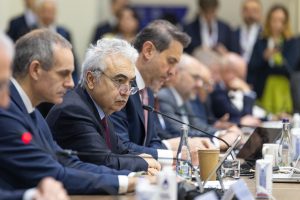
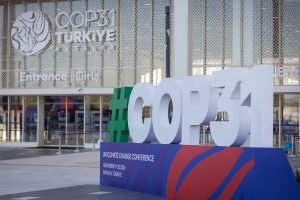
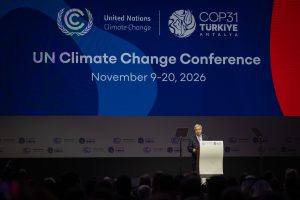
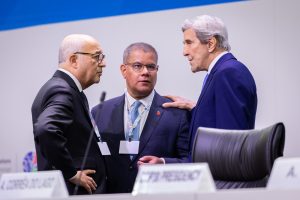
UN Executive Secretary for Climate Change, Simon Stiell, presented findings of the United Nations Environment Programme (UNEP) in collaboration with the Climate and Clean Air Coalition (CCAC)at the Leaders’ Summit on Non-CO₂ Greenhouse Gases at COP31 in Antalya, Turkiye, on Thursday, November 12, 2026.
“Every dollar invested in key super-pollutant solutions delivers USD 15 in economic gains alone,” Stiell said in his speech.
According to him, reducing emissions of methane and other ‘super-pollutants’ offers benefits that go beyond climate protection. Such measures can improve energy efficiency, enhance air quality, boost agricultural yields, cut costs and save lives.
This potential for economic gain is evident from the sheer volume of energy wasted in oil and gas production. Stiell states that around 167 billion cubic metres of gas are flared each year. This activity results in an estimated loss of energy value amounting to USD 54 billion.
In fact, the majority of methane emissions from the oil and gas sector can be reduced using existing technology. Stiell states that around 70 per cent of methane emissions from this sector could be eliminated, mostly at low net cost or even at no additional cost.
There are also opportunities for cost savings in the waste management sector. Reducing methane emissions from solid waste by up to 75 per cent could even lead to cost savings, as the value of the methane captured could exceed the investment required.
“Solutions are out there – across oil and gas, waste, and agriculture: Seventy per cent of methane emissions in the oil and gas sector can be eliminated using existing technology – much of it at low or no net cost,” he said.
Stiell considers methane control to be one of the quickest, cheapest and most effective ways to slow the rate of global warming in the short term. These efforts are vital for limiting the rise in temperature and reducing the likelihood of exceeding the 1.5-degree Celsius warming threshold.
However, reducing methane emissions cannot replace efforts to cut carbon dioxide emissions. Both must go hand in hand so that the world can not only slow the rise in temperatures in the short term, but also prevent further global warming in the long term.
Despite the significant economic benefits, funding for the control of super-pollutants remains limited. Stiell revealed that in 2023, only around 0.5 per cent of the climate funding allocated for emissions reduction was spent on tackling super-pollutants.
This financing gap needs to be addressed through increased public and private investment, particularly by involving development banks and climate funds. Countries also need to strengthen their technical capacity, implementing agencies and emission-reduction projects that can be implemented immediately.
On the policy front, momentum for methane control is actually beginning to build. More than 90 per cent of the parties, representing around three-quarters of global methane emissions, have included measures to reduce these emissions in their latest Nationally Determined Contributions (NDCs).
The next challenge is to ensure that these commitments are translated into policy and implemented on the ground. Stiell urged countries to set targets for reducing methane and other ‘super-pollutants’ in their NDCs, to strengthen policies in key sectors, and to encourage industry to invest in emission-control technologies.
He also called on countries to make use of the carbon credit mechanisms under the Paris Agreement that are already in operation. One of the initial areas targeted by these mechanisms is the capture of methane from landfill sites and its utilisation as an energy source.
It is hoped that the COP31 Presidency will help to accelerate the implementation of practical solutions through targets relating to methane and waste. The Super Pollutant Country Action Accelerator initiative could also help countries to build capacity and implement emission reduction programmes.
For Stiell, controlling super-pollutants presents an opportunity that can deliver benefits for the climate, the economy and public health alike. The speed of implementation is crucial, as the impacts of climate change have disrupted lives, destroyed livelihoods and driven up the cost of living. (Hartatik)
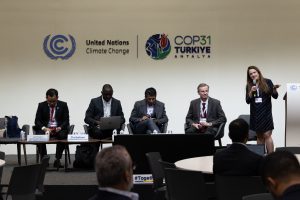
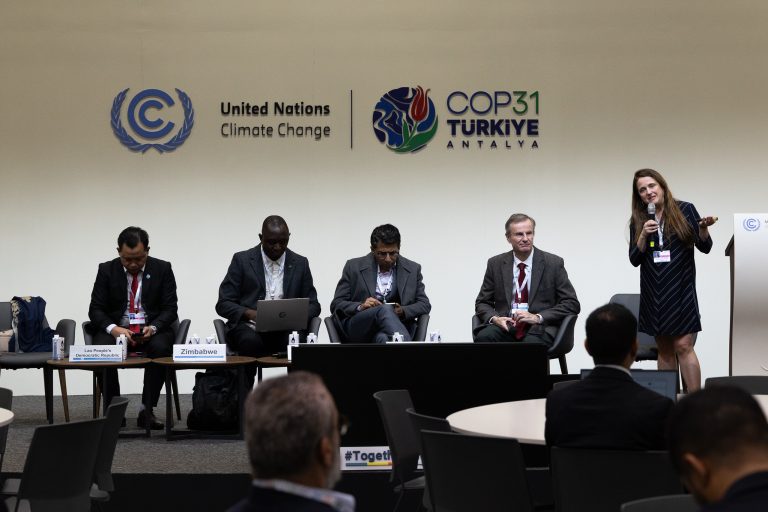
Banner photo: Participants attending the session ‘CB Hub: Technical Support to Improve Methane Emissions Data and Projections in the Agriculture and Waste Sectors for the Effective Implementation of the Enhanced Transparency Framework’. (Photo: © UN Climate Change – Kubilay Ciftci)