Jakarta — The United Nations Economic and Social Commission for Asia and the Pacific (ESCAP) has launched a new regional initiative aimed at accelerating clean energy transitions across Southeast Asia while supporting economic growth, job creation and social inclusion.
In a statement on Wednesday, February 25, ESCAP said the Energy Transition for Green Growth and Prosperity (ETGGP) initiative will run for three years starting in 2026. It seeks to provide country-specific support aligned with national priorities, helping governments balance emissions reduction with economic resilience and development goals.
The programme is backed by more than USD 4 million in initial funding pledged by four philanthropic foundations: ClimateWorks Foundation, Sequoia Climate Foundation, Children’s Investment Fund Foundation and Tara Climate Foundation.
The launch comes amid mounting regional pressures. Asia and the Pacific account for around 60 per cent of global greenhouse gas emissions and 80 per cent of global coal supply, while energy demand across the region is projected to rise sharply by mid-century.
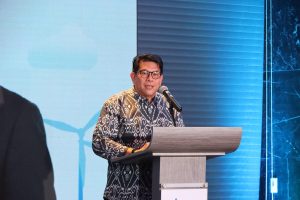
“Countries around the region are considering how to reduce emissions while safeguarding growth, jobs, economic resilience and social inclusion,” said Armida Salsiah Alisjahbana, United Nations Under-Secretary-General and Executive Secretary of ESCAP, at the launch. She noted that governments face multiple constraints, including legacy infrastructure, limited fiscal space, regulatory challenges and financing gaps.
Alisjahbana said the initiative would connect policy analysis, institutional strengthening, regional cooperation and green finance to help Southeast Asian countries manage these challenges.
The ETGGP is structured around three pillars: strengthening analytical work to support long-term energy and economic planning; promoting regional power connectivity through green power corridors; and mobilising green finance to build investable project pipelines and improve access to capital.
Through its intergovernmental platform and country-focused support, ESCAP will work with ministries of energy, finance, transport, environment and social development to integrate energy transition with green industrialisation and job creation. The initiative will also convene development partners, financial institutions and regional experts to develop policy solutions and strengthen the evidence base for decision-making.
ESCAP expects the programme to enhance policy coordination, improve investment readiness and expand access to public and private finance for clean energy and enabling infrastructure. Lessons from participating countries will also feed into broader regional policy dialogues aimed at accelerating energy transitions across Asia and the Pacific. (nsh)
Banner photo: Image generated by OpenAI’s DALL·E via ChatGPT (2024)