Jakarta — The World Health Organization (WHO) has praised Indonesia’s leadership in reducing risks from zoonotic diseases through a strengthened One Health approach, marking World Health Day.
In a statement on Tuesday, April 7, WHO highlighted Indonesia’s progress in integrating human, animal and environmental health efforts to better prevent, detect and respond to zoonotic diseases. The approach, led by the government and supported by WHO and partners, has expanded multisectoral coordination across health, agriculture, veterinary and environmental agencies.
“Indonesia is demonstrating how coordinated, multisectoral action can reduce everyday risks from zoonotic diseases,” said WHO Representative to Indonesia N. Paranietharan, noting improvements in early detection and response systems.
Zoonotic diseases, or those transmitted between animals and humans, remain a major global health threat, accounting for more than 60 per cent of known infectious diseases and up to 75 per cent of emerging diseases. Indonesia’s vulnerability is heightened by climate-related disasters, environmental change and close human-animal interactions across the archipelago.
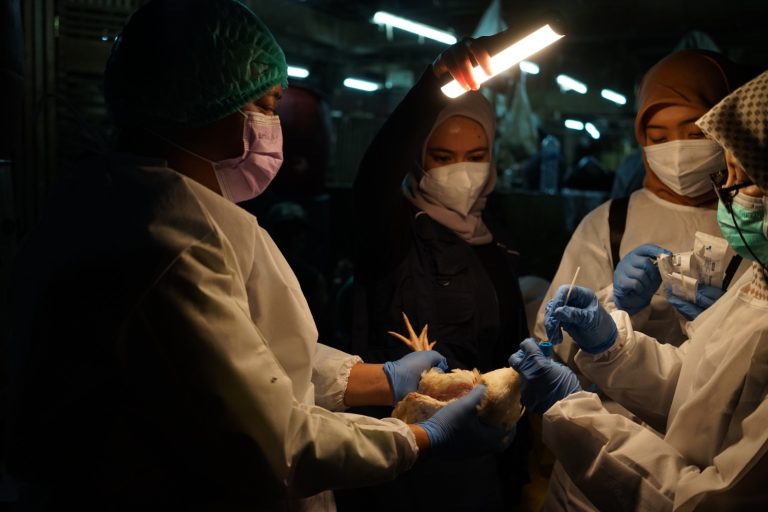
National efforts have focused on priority diseases including avian influenza, leptospirosis, anthrax and rabies. In 2025, the WHO supported pilot programs for integrated avian influenza surveillance in five provinces, using traditional poultry markets as early warning sites. Strengthened surveillance and response systems for leptospirosis have also contributed to reduced fatalities in flood-prone areas, while initiatives on anthrax and rabies have focused on frontline training, case management and community awareness.
Indonesia’s progress reflects growing global attention to the One Health approach amid rising risks from climate change and emerging diseases. The country is expected to showcase its leadership at the upcoming One Health Summit, where heads of state and ministers will seek to translate political commitments into coordinated action.
The momentum will continue at the Global Forum of WHO Collaborating Centres, which underscores the importance of sustained investment in science and health systems. Indonesia currently hosts two such centres focused on nursing and midwifery, and the prevention of deafness and hearing impairment.
WHO said Indonesia’s experience demonstrates how science-based collaboration can connect local action with regional and global health solutions. (nsh)
Banner photo: A joint Ministry of Health–WHO team conducted surveillance at a poultry market in Surabaya as part of a pilot programme in five provinces in 2025. Credit: WHO/Fieni Aprilia