Jakarta – In commemoration of Human Rights Day and World Animal Rights Day on 10 December this year, Indonesian fans of BigBang’s G-Dragon, together with the activist network KPOP4PLANET, called for Korea’s Hana Bank to stop funding a coal-fired power plant-based nickel project on Obi Island, North Maluku. This appeal was conveyed through an open letter sent directly to Hana Bank’s headquarters in Seoul.
The fan group believes that the South Korean bank’s funding decision contradicts global climate commitments and causes increasingly serious ecological and social damage on Obi Island. This pressure is also fuelled by the fact that G-Dragon—a global icon who has always been associated with a positive and innovative image—is the brand ambassador for Hana Financial Group.
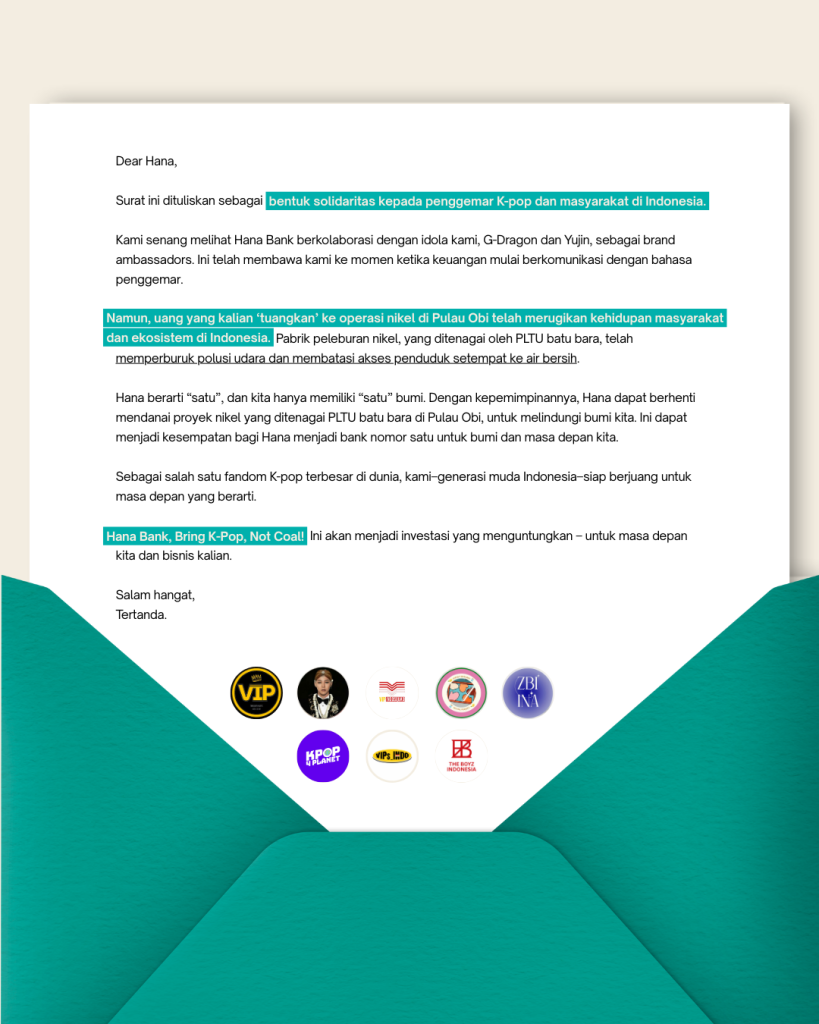
The open letter highlights the findings of a number of international reports. Recourse in 2024 revealed that PT Korea Exchange Bank (KEB), Hana Bank Indonesia, together with several other banks, including DBS and UOB, provided a total of USD 530 million in financing to PT Halmahera Jaya Feronikel (HJF), a subsidiary of Harita Nickel. Additionally, Market Forces noted that Hana has disbursed US$ 84 million in financing to the Harita group since 2018, even though Hana Financial Group had previously promised to stop financing coal-fired power plants in 2021.
KPOP4PLANET Indonesia considers this situation ironic, as the bank is widely known among young Indonesians through Line Bank and its reputation is closely linked to the K-pop industry. Nurul Sarifah, Campaign Manager for KPOP4PLANET Indonesia, said that fans see a discrepancy between the K-pop image promoted by Hana and its funding practices.
“Many fans were delighted when Hana chose our idol as a brand ambassador, but we have yet to see this collaboration in Indonesia. Instead, Hana is funding projects that are destructive and harmful to our local communities and environment. Therefore, fans are urging Hana to bring K-pop to Indonesia, not coal funding,” he said.
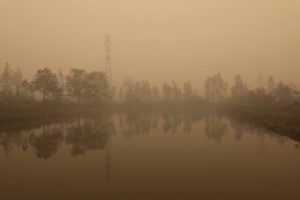
The operational impact of Harita’s nickel project has also come under increased scrutiny. Harita’s 2024 Sustainability Report notes that the company’s emissions reached 10.87 million tonnes of CO₂e per year—a figure equivalent to nearly 1 per cent of Indonesia’s total emissions in 2023, or the equivalent of the emissions from 2.36 million petrol-powered cars used for a year.
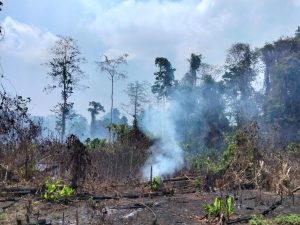
The ecological damage caused is even more alarming. In 2025, Climate Rights International documented how nickel operations in Obi triggered the forced relocation of communities to the EcoVillage area, which was deemed unsuitable. Most recently, a report by the Gecko Project found dangerous levels of heavy metals in fish in the waters surrounding the nickel operations, threatening the health of the community, especially children.
The campaign also gained support from financial advocacy organisations. Ginanjar Ariyasuta, Indonesia Energy Finance Campaigner at Market Forces, asserted that Hana Bank’s funding exacerbates the nickel industry’s dependence on captive coal-fired power plants.
“KEB Hana’s financing of the Harita Group exacerbates the climate crisis by supporting the construction of 2.1 gigawatts (GW) of captive coal-fired power plants, which the International Energy Agency (IEA) has warned must be stopped to save the economy and the future. Therefore, we urge Hana Bank to stop financing companies that build captive coal-fired power plants, including the Harita Group, which relies on fossil fuels in its nickel processing operations,” he said.
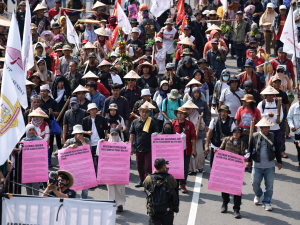
To reinforce the demand, seven official fan bases signed the open letter. In addition, more than 161,000 fans who followed the KPOP4PLANET campaign participated in a mass tagging action on social media, demanding that Hana Bank Korea take responsibility for its investments, which are considered to be damaging to the Indonesian environment.
One of G-Dragon’s fans who actively supported the campaign, the owner of the @istri.jidi account, expressed disappointment at the contradiction between the idol’s image and the reality of Hana’s funding.
“When I saw GD become Hana’s brand ambassador, as a fan, I felt a sense of pride that was difficult to explain. But I was disappointed when I found out that Hana’s financing was harmful to the people and environment of Obi Island. I hope Hana can align itself with the values that GD always promotes about a better future,” she wrote.
This pressure serves as a reminder that human rights and environmental protection issues are no longer the sole domain of civil society organisations, but also of increasingly vocal popular culture communities. K-pop fans in Indonesia hope that their open letter will encourage real policy change from Hana Bank—not only for the sake of their idols’ reputation, but also for the future of Obi Island and the communities living around it. (Hartatik)
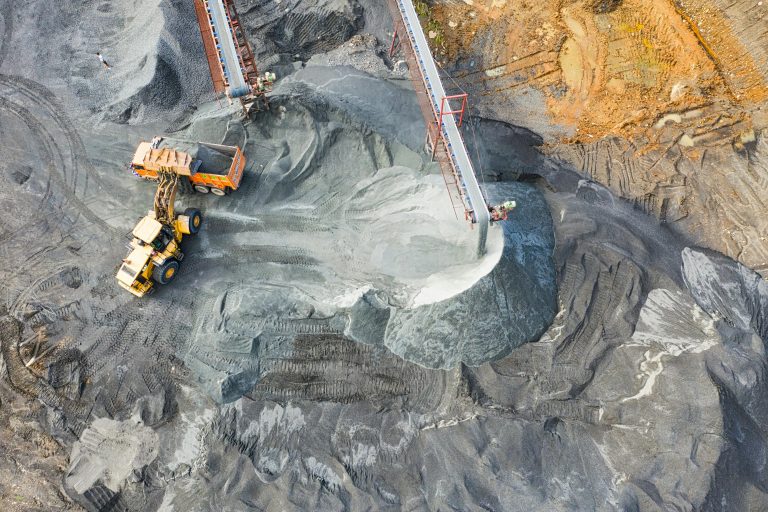
Banner photo: Tom Fisk/pexels.com