Jakarta — Researchers from the National Research and Innovation Agency (BRIN) have successfully identified two new species of moths endemic to Indonesia from the genera Glyphodella and Chabulina. The two species have been named Glyphodella fojaensis Sutrisno & Ubaidillah, 2026 and Chabulina celebesensis Sutrisno & Ubaidillah, 2026. This discovery was published in the February 2026 edition of the international journal Raffles Bulletin of Zoology in an article titled “Description of two new endemic species of the closely related genera, Glyphodella and Chabulina Shaffer & Munroe, 2007, from Indonesia (Lepidoptera: Crambidae: Spilomelinae)”.
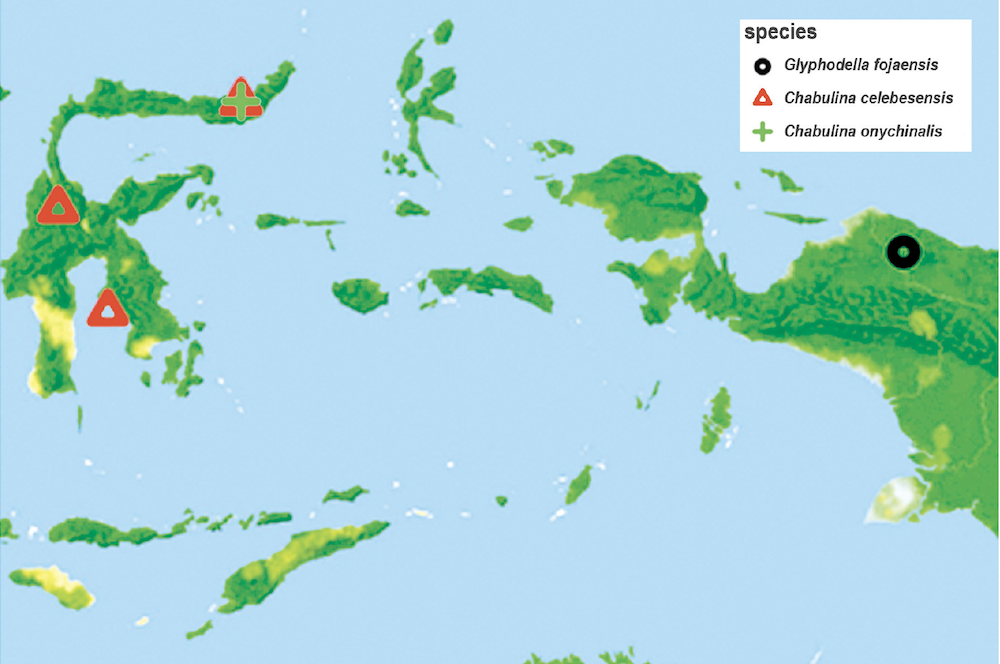
In a statement on Tuesday, 3 March, BRIN stated that the research was conducted by Hari Sutrisno and Rosichon Ubaidillah from the BRIN Centre for Biosystematics and Evolution Research through field surveys in Papua and Sulawesi between 2002 and 2017, as well as a study of specimen collections at the Museum Zoologicum Bogoriense (MZB) in Bogor. The researchers found that Glyphodella fojaensis is the only species of the genus Glyphodella recorded in Indonesia and is endemic to the Foja Mountains in Papua. Meanwhile, Chabulina celebesensis is a new species endemic to Sulawesi and was found in Central Sulawesi, Southeast Sulawesi, and North Sulawesi.
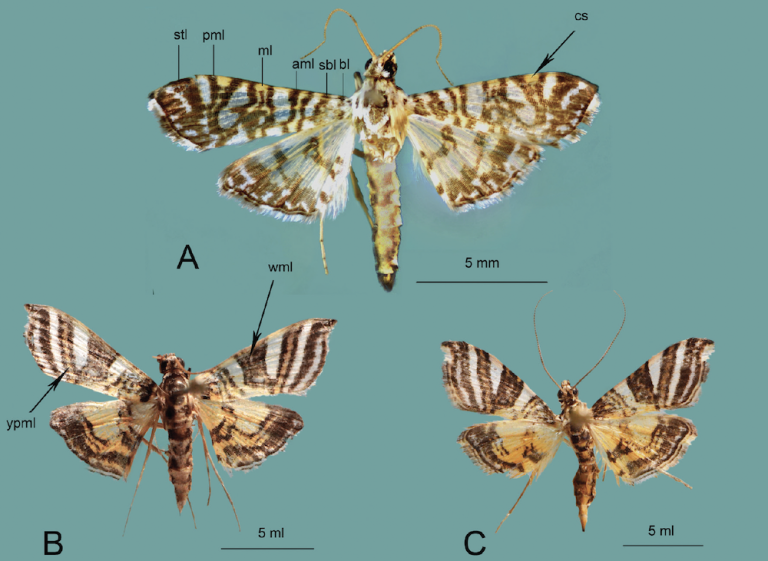
According to Rosichon Ubaidillah, both species have distinctive morphological characteristics that distinguish them from related species. Glyphodella fojaensis has round yellow spots on its front wings and a different male genital structure, while Chabulina celebesensis can be recognised by the pattern of lines on its wings and its unique genital shape. These morphological characteristics form the basis for their classification as new species in scientific knowledge.
In this study, specimens were collected using light traps and then analysed through microscopic observation to examine wing patterns and genitalia structure, which are important markers in moth identification. All specimens were then stored and documented at the Museum Zoologicum Bogoriense as part of the national collection.
Based on research findings, Glyphodella fojaensis lives in the primary tropical forests of the Foja Mountains in Papua, while Chabulina celebesensis is found in secondary tropical forests in Sulawesi. Both species are nocturnal, or active at night.
This discovery adds to the data on insect diversity in Indonesia, particularly moths from the Crambidae family, and enriches our understanding of species diversity in the Spilomelinae subfamily in tropical regions. The researchers also emphasise that endemic species with limited distribution are highly vulnerable to environmental changes such as deforestation and habitat degradation, making the protection of forest ecosystems in Papua and Sulawesi crucial for the conservation of these species.
BRIN stated that it will continue to explore and study insect biodiversity in various regions of Indonesia as part of its efforts to collect data and preserve biological resources sustainably. (nsh)
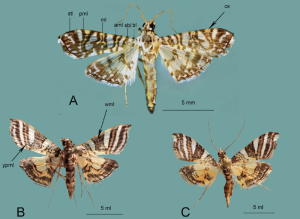
Banner photo: Photos showing three moth species examined in the study. A: Glyphodella fojaensis, a newly discovered species from Papua (male specimen). B–C: Chabulina celebesensis, another new species from Sulawesi — B shows the male specimen from Central Sulawesi, and C shows the female specimen from Southeast Sulawesi. The labels point to different wing patterns and markings that help scientists tell the species apart, such as lines, spots, and colour bands. Black arrows highlight the key features used to identify each species. (Source: RAFFLES BULLETIN OF ZOOLOGY 74: 87–94, 11 February 2026)