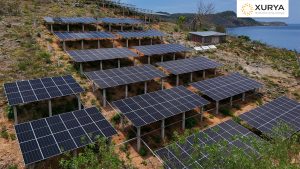
Jakarta — The National Research and Innovation Agency (BRIN) believes that the success of the national solar energy agenda is largely determined by the strength of the domestic supply chain, ranging from technology and manufacturing to the readiness of the electricity system. The ambitious target of developing 17.1 gigawatts of solar power plants (PLTS) requires more than just accelerating project development.
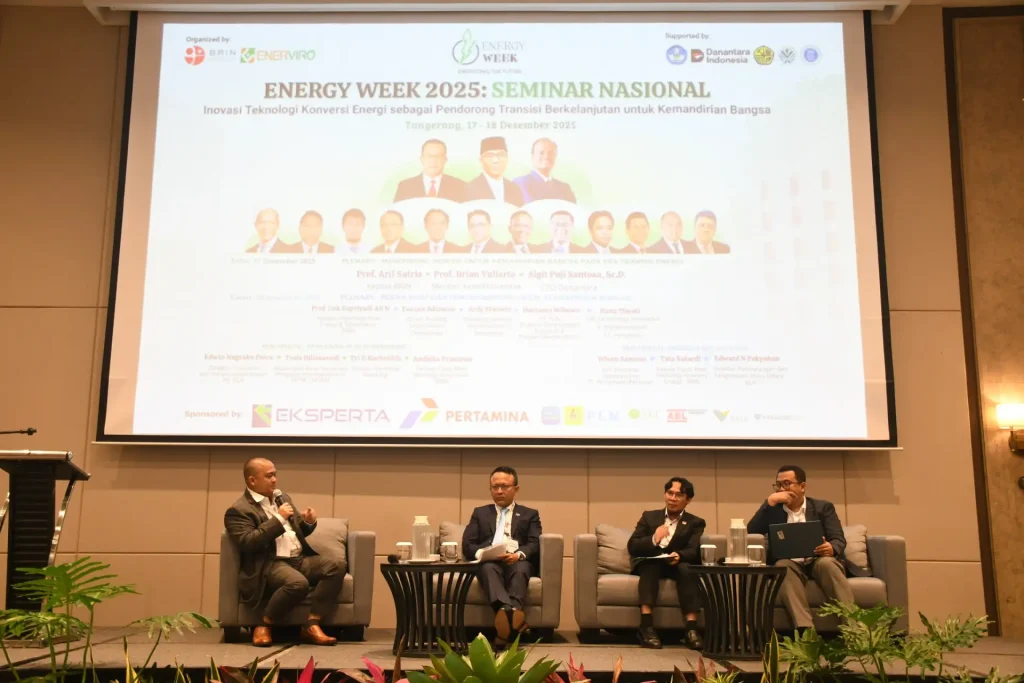
This emphasis was highlighted during a series of discussions at Energy Week 2025 in mid-December, which addressed the future of renewable energy in Indonesia. BRIN researchers believe that the main challenges facing solar power plants to date—particularly those related to the intermittent or unstable nature of supply—can now be better addressed thanks to technological advances. The development of new-generation inverters and battery energy storage systems (BESS) is considered capable of increasing the flexibility and reliability of solar power plants in the national electricity system.
“The integration of solar power plants with BESS and the geographical distribution of solar power plants can reduce the risk of supply disruptions and strengthen grid stability,” said a BRIN representative at the forum. According to him, this approach means that solar power plants are no longer seen as a complementary energy source, but rather as the backbone of the energy transition.
BRIN also highlighted the importance of increasing electricity demand to balance the surge in renewable energy supply. Electrification of the transport and industrial sectors is seen as key to optimising the absorption of electricity production from solar power plants. “Without growth in demand, additional clean energy supply could actually pose new challenges in system management,” he said.
In an economic context, accelerating the development of solar power plants is considered to have strategic value that far exceeds energy mix targets. Energy Week 2025 noted that the availability of green energy is now one of the main prerequisites for global industries in determining investment locations. Countries that are able to provide clean, reliable, and competitive electricity are considered more attractive to export-oriented manufacturing investors.
“Green energy is no longer just an environmental issue, but a factor in industrial competitiveness,” said another BRIN researcher. He emphasised that the 17.1 GW solar power target must be accompanied by the strengthening of supporting industries within the country so that the economic benefits do not leak out.
Strengthening the local supply chain is considered a crucial agenda. The development of large-scale solar power plants opens up opportunities for the growth of the solar module, inverter, battery, and semiconductor manufacturing industries. If managed with the right policies, Indonesia will not only become a market but also an important player in the global solar energy value chain.
BRIN believes that synergy between research, industrial policy, and energy projects is a prerequisite for sustainably achieving national solar power targets. “The energy transition must be built on a strong national industrial foundation. Without it, capacity targets may be achieved, but the economic benefits for Indonesia will not be maximised,” he concluded. (Hartatik)
Banner photo: Image generated by OpenAI’s DALL·E via ChatGPT (2024)