PLN Regulations Still Hamper Rooftop Solar Panel Installations
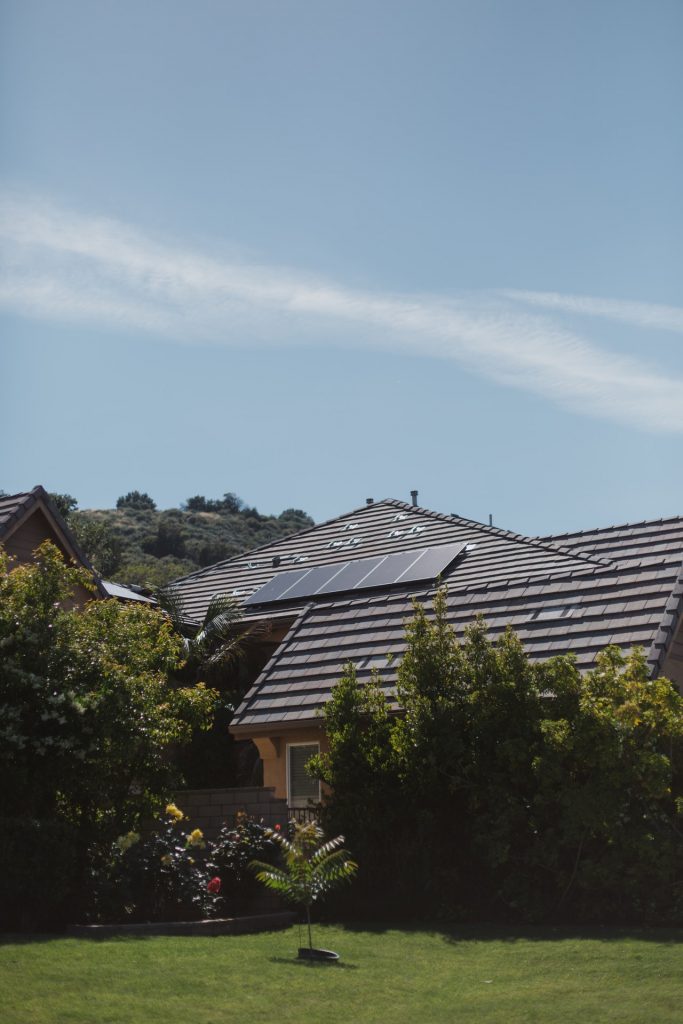
Source: https://www.pexels.com/@vivint-solar-1479731 JAKARTA – The Indonesian Solar Energy Association (AESI) received 14 complaints from its members between November and December 2021 after they had difficulty installing rooftop solar panels due to lack of permits from PLN said AESI Chairperson Fabby Tumiwa said 79 percent of the cases occurred in West Java, according to the Antara news agency (15/2). Tumiwa said postponing the implementation of the Minister of Energy and Mineral Resources Regulation Number 26 of 2021 which regulates the use of rooftop solar power plants in Indonesia will cause uncertainty in clean energy investment because many parties, especially multinational companies, have questioned Indonesia’s commitment to increasing renewable energy. Earlier this year, the Ministry of Energy and Mineral Resources issued the Minister of Energy and Mineral Resources Regulation Number 26 of 2021 concerning Rooftop Solar Power Plants Connected to the Electric Power Network Holders of Business Licenses for the Provision of Electric Power for Public Interest (IUPTLU), as a government effort to achieve new and renewable energy targets by 23 percent in 2025. This Minister of Energy and Mineral Resources regulation is an improvement from the previous regulation as an effort to improve the governance and economics of Rooftop Solar Power Plants (PLTS). In Article 7 of the Regulation of the Minister of Energy and Mineral Resources Number 49 of 2018 concerning “The use of rooftop solar power generation systems by consumers of PT PLN (Persero)” requires two things that must be fulfilled by the applicant to install rooftop PLTS, namely administrative requirements in the form of at least containing the PLN customer identity number and technical requirements in the form of the installed power of the rooftop PLTS system, technical specifications of the equipment to be installed, and a one-line diagram. Corporate Strategy General Manager of Mitsubishi Motors Krama Yudha Indonesia (MMKI) Diantoro Dendi was quoted by Antara news agency regarding the obstacles he encountered when installing rooftop PLTS for his factory. According to Dendi, his party has submitted an application for the installation of rooftop PLTS in April 2021 but PLN only responded in January 2022 by providing additional requirements in the form of a maximum PLTS roof capacity of 1.75MW peak, a ban on operating on holidays and the export of electricity that is allowed only 65 percent. Additional requirements according to MMKI are not in accordance with Energy and Mineral Resources Ministerial Regulation Number 26 of 2021. (nsh)
Jakarta – Indonesia’s target of achieving a net sink for emissions from the forestry and land-use sector (FOLU) by 2030 faces serious challenges. The expansion of sugarcane plantations for bioenergy, ...
Jakarta – Indonesia’s Forestry Ministry has handed over two suspects to prosecutors after tracing a suspected illegal timber supply chain from a community-managed forest in Central Sulawesi to a wood-processing ...
Jakarta – Government procurement spending could help accelerate decarbonisation in Indonesia’s cement industry by creating a reliable market for low-carbon building materials and encouraging investment in cleaner production technologies, the ...
Jakarta – Civil society groups have stated that Indonesia’s energy transition and the development of critical mineral industries must be directed not only towards reducing carbon emissions, but also towards ...
by Roffie Kurniawan Indonesia faces major challenges in accelerating electrification after declining to adopt a global commitment to raise electricity’s share of final energy consumption to 35% by 2035, highlighting ...
Jakarta – The government must return forests and land to Indigenous and local communities following the revocation of PT Riau Andalan Pulp and Paper’s (RAPP) forestry concession in Riau, environmental ...
Jakarta – Countries have agreed on a set of measures to strengthen global efforts to manage chemicals and waste, including new indicators to track progress, programmes to support national implementation ...
The transition towards the use of electricity generated from clean energy sources is expected to continue even though the UN Climate Change Conference (COP31) in Antalya, Türkiye, concluded without a ...
The push to develop carbon capture, utilisation and storage (CCUS) technology to a gigatonne scale by 2035 has become one of the controversial points in the draft main decision of ...
UN Secretary-General António Guterres has expressed deep disappointment after the COP31 climate summit ended on Sunday without consensus on an overarching agreement, warning that powerful fossil fuel interests continue to ...
The third draft of the COP31 cover decision, released early on Sunday morning, November 22, has drawn sharp criticism from climate campaigners and vulnerable countries for failing to secure concrete ...
The agenda for energy transition and tackling the climate crisis risks creating new problems for indigenous communities if it is not accompanied by protection of their rights to land and ...