Jakarta – PT Perusahaan Gas Negara Tbk (PGN) is expanding its low-carbon energy portfolio by tapping into the potential of compressed biomethane gas (CBG) in North Sumatra. This move signals the seriousness of Pertamina’s Gas Subholding in promoting the use of renewable energy-based gas for the industrial and transportation sectors, especially in areas not yet reached by gas pipelines.
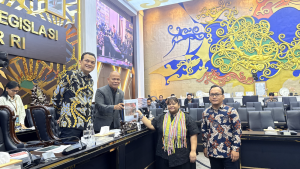
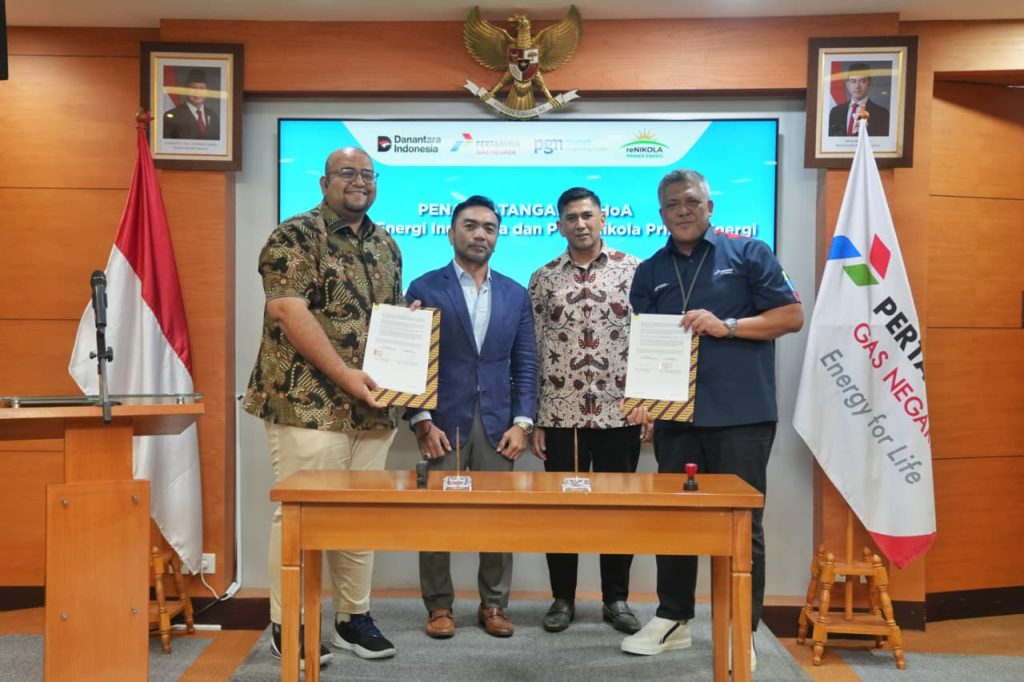
This initiative was marked by the signing of a Heads of Agreement (HoA) between PT Gagas Energi Indonesia (PGN Gagas), a subsidiary of PGN, and PT Renikola Primer Energi on Tuesday, 23 December. The cooperation covers the provision and development of CBG supplies with a delivery point in North Sumatra, which in the future will be aimed at meeting the energy needs of the productive sector.
PGN’s Director of Strategy and Business Development, Mirza Mahendra, said that this collaboration is part of PGN’s long-term strategy to strengthen gas supply, including from renewable energy sources. According to him, CBG is one of the solutions to address the challenges of energy transition while maintaining supply reliability for industrial and transportation customers.
“Today’s signing of the HoA is a tangible manifestation of the Gas Subholding’s commitment to utilising gas supplies derived from renewable energy sources such as CBG,” said Mirza.
CBG itself is produced from the purification process of biogas sourced from organic waste, such as agricultural, livestock and plantation waste. The methane gas produced is purified to the same quality as natural gas, then compressed for easy storage and distribution. With characteristics similar to Compressed Natural Gas (CNG), CBG can be directly used as fuel for industry, transportation, and other energy needs without requiring major modifications to user equipment.
Through PGN Gagas, PGN aims to develop energy services beyond pipelines, namely energy distribution that does not rely on pipeline networks. This scheme is considered relevant for regions such as North Sumatra, which has significant organic waste potential but is not yet fully connected to the national gas infrastructure.
PGN President Director Gagas, Santiaji Gunawan, believes that CBG is not only a clean energy solution, but also a new business opportunity that is in line with the concept of circular economy. He emphasised that utilising organic waste as an energy source can provide added value to local communities.
“In addition to being environmentally friendly, safe, and efficient, CBG presents a new supply opportunity for PGN Gagas to support the circular economy,” said Santiaji.
“The benefits of a circular economy can be seen in the use of organic waste to produce CBG, which provides economic added value for farmers and the plantation industry, as well as creating environmentally friendly jobs,” he added.
Going forward, the collaboration between PGN Gagas and Renikola will focus on conducting feasibility studies, developing supporting infrastructure, and developing an efficient and sustainable CBG distribution ecosystem. PGN hopes that this project can be realised soon so that North Sumatra can become one of the pilot regions for CBG utilisation in Indonesia.
In addition to supporting national energy transition targets, the development of CBG is expected to reduce dependence on fossil fuel imports and reduce greenhouse gas emissions, particularly from the industrial and transportation sectors, which have been significant contributors to emissions. (Hartatik)
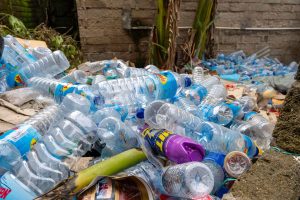
Banner photo: Image generated by OpenAI’s DALL·E via ChatGPT (2024)